Research conducted by Evita Yi (MA, Art and Design Education 2023)
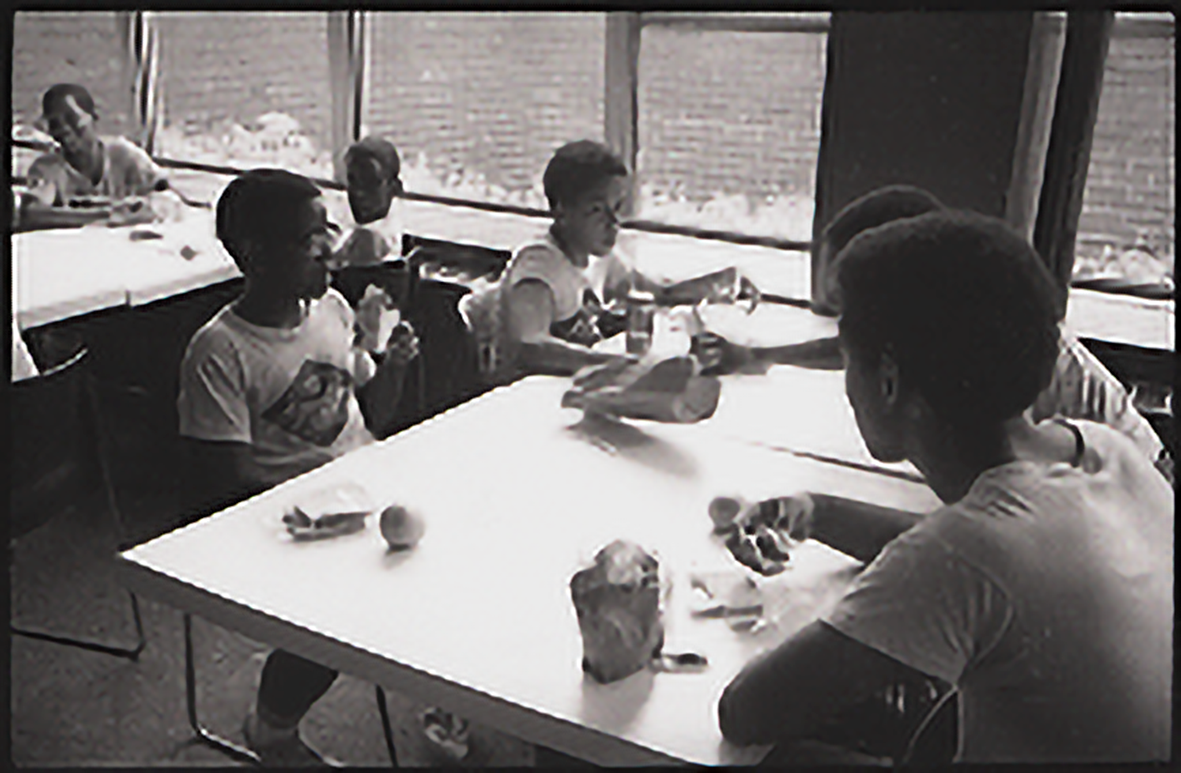
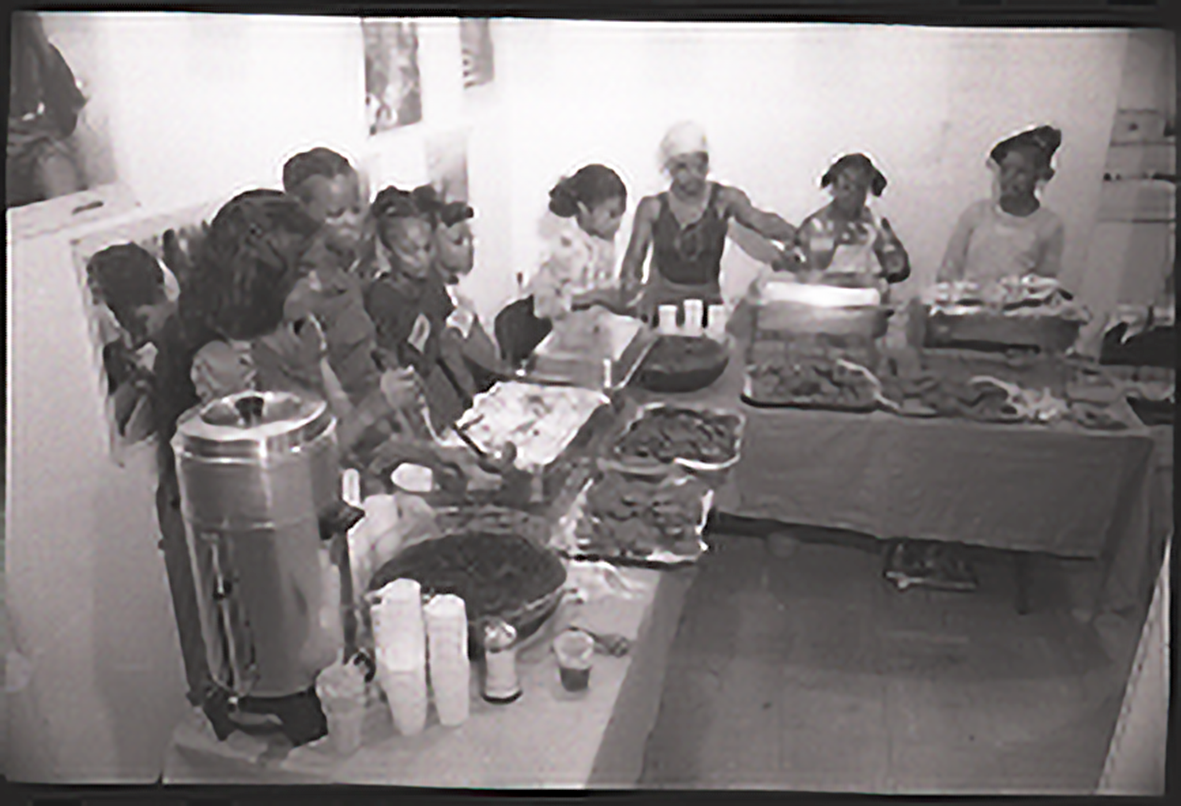
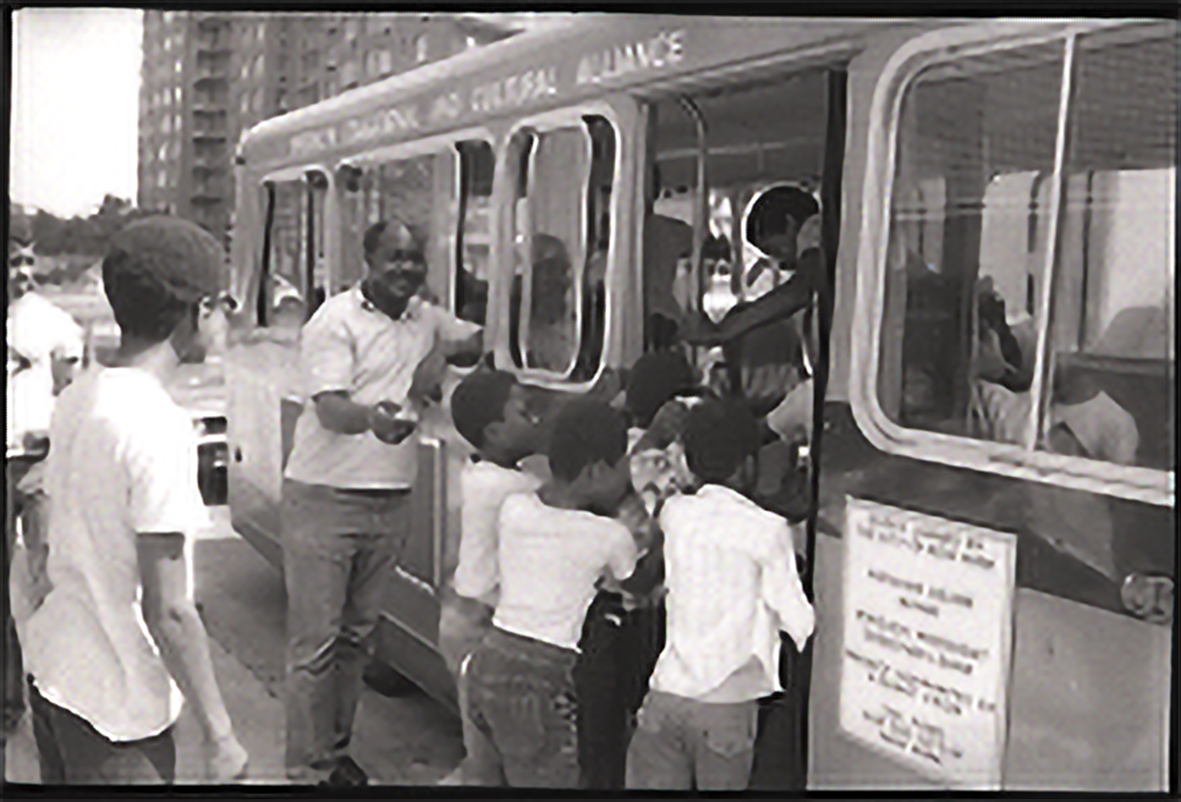
Food and field trips were a major part of the Youth Skills and Development Program during the 1970s. Food was important for many reasons including food insecurity and lack of access to quality food in the local community. Pratt Institute offered food science programs since its foundation and the program resources supported the summer programming.
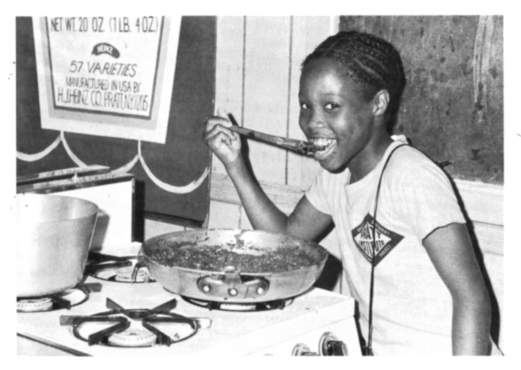
What was the Food Science Program?
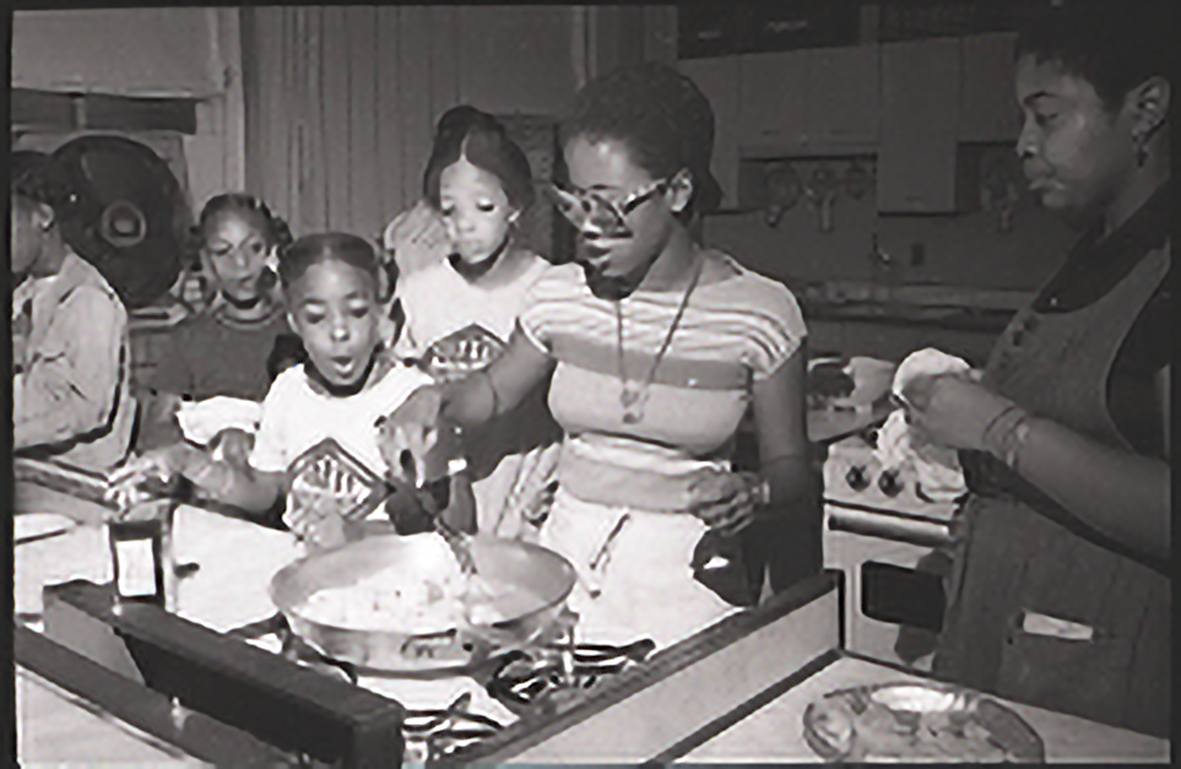
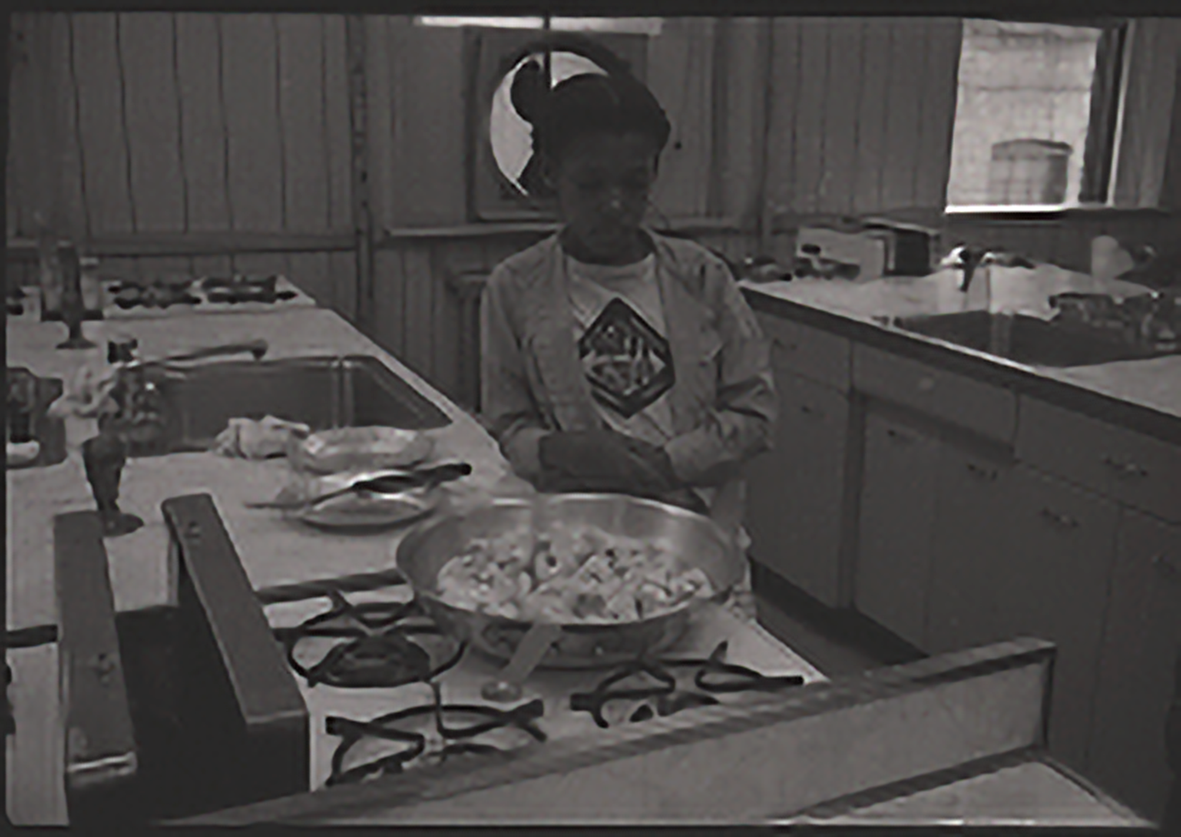
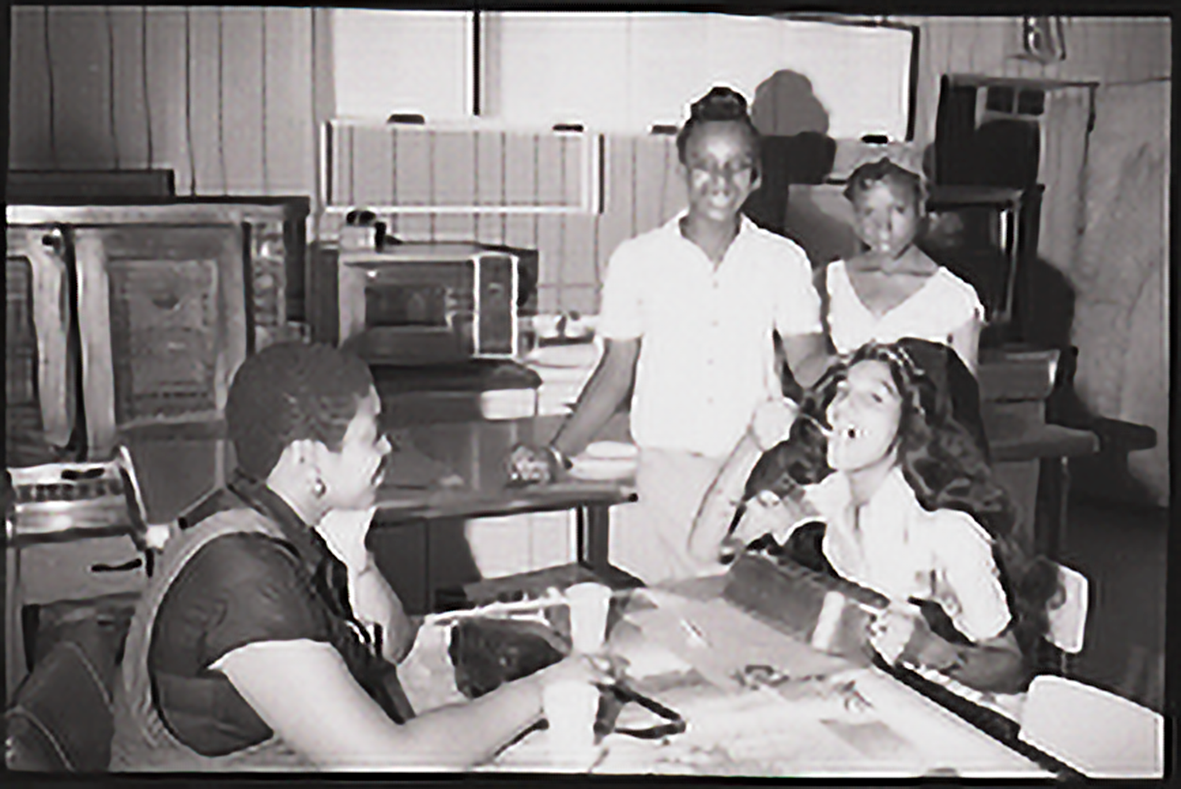
Students learned how to make wise expenditures in the market and shared their new-found knowledge with their parents. Students also learned proper use of raw and broken-down foods and ways to enhance convenience foods. It improved youngsters’ knowledge of nutrition and their skills in purchasing and preparing foods. It also included study of nutrition and preparation of individual and group meals. Students received instruction and practical experience in the preparation of desserts, holiday and seasonal menus, salads, and meat and vegetable products. They learned to make choices from this experience.
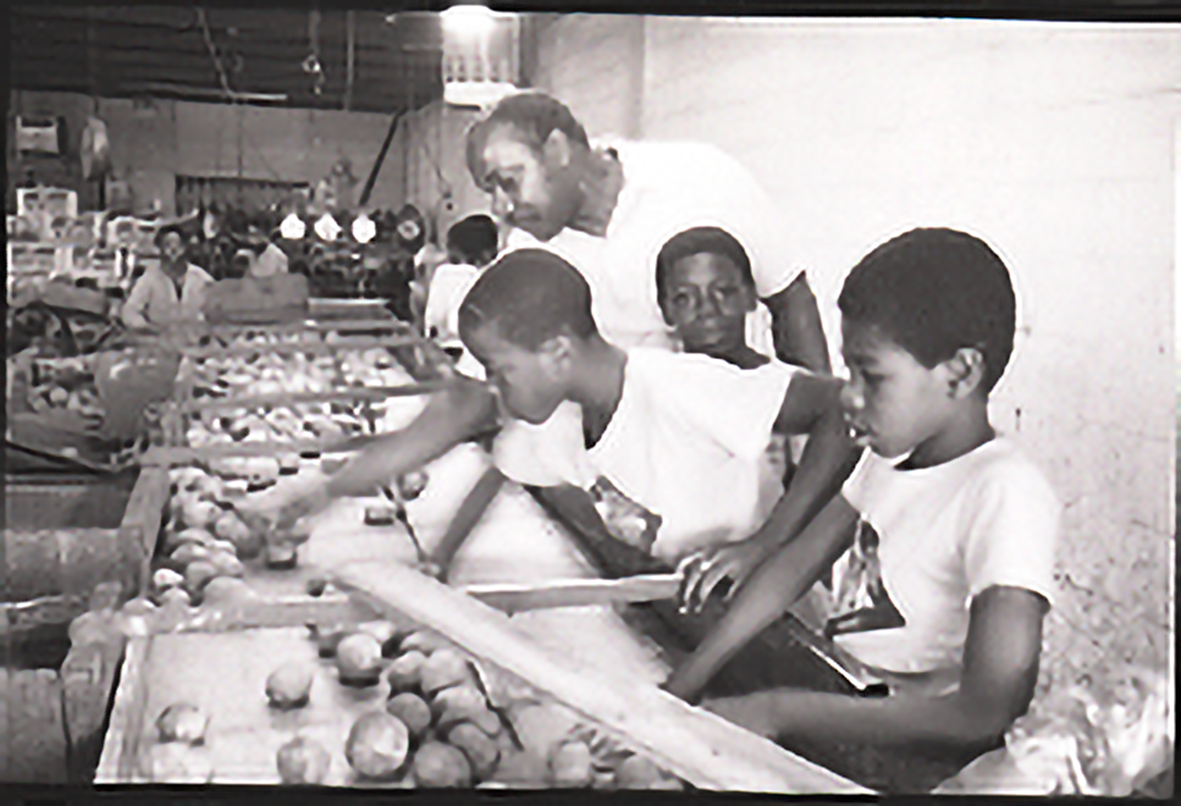
Students designed posters for nutrition campaigns in their communities, and constructed nutritional charts. They studied efficient kitchen design and made field trips to local supermarkets, food processing and manufacturing plants, and local mass-feeding facilities in the Fort Greene and Bedford-Stuyvesant communities.

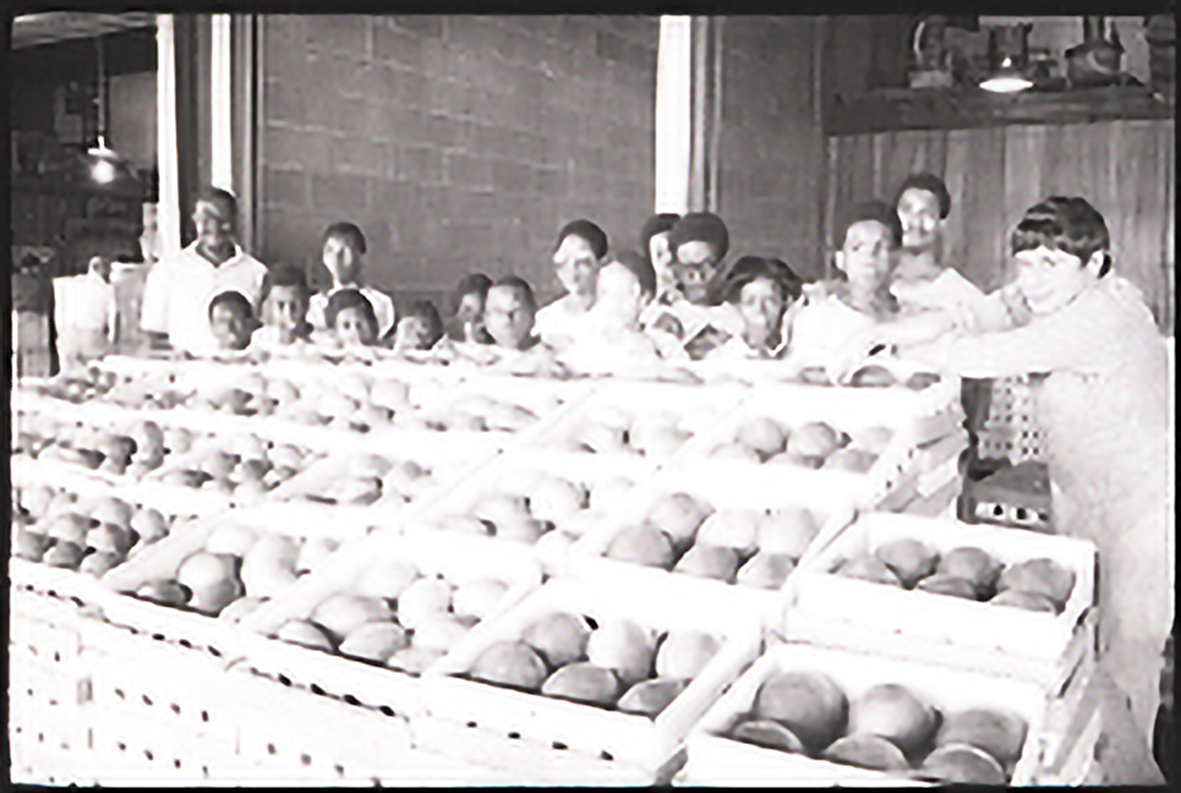
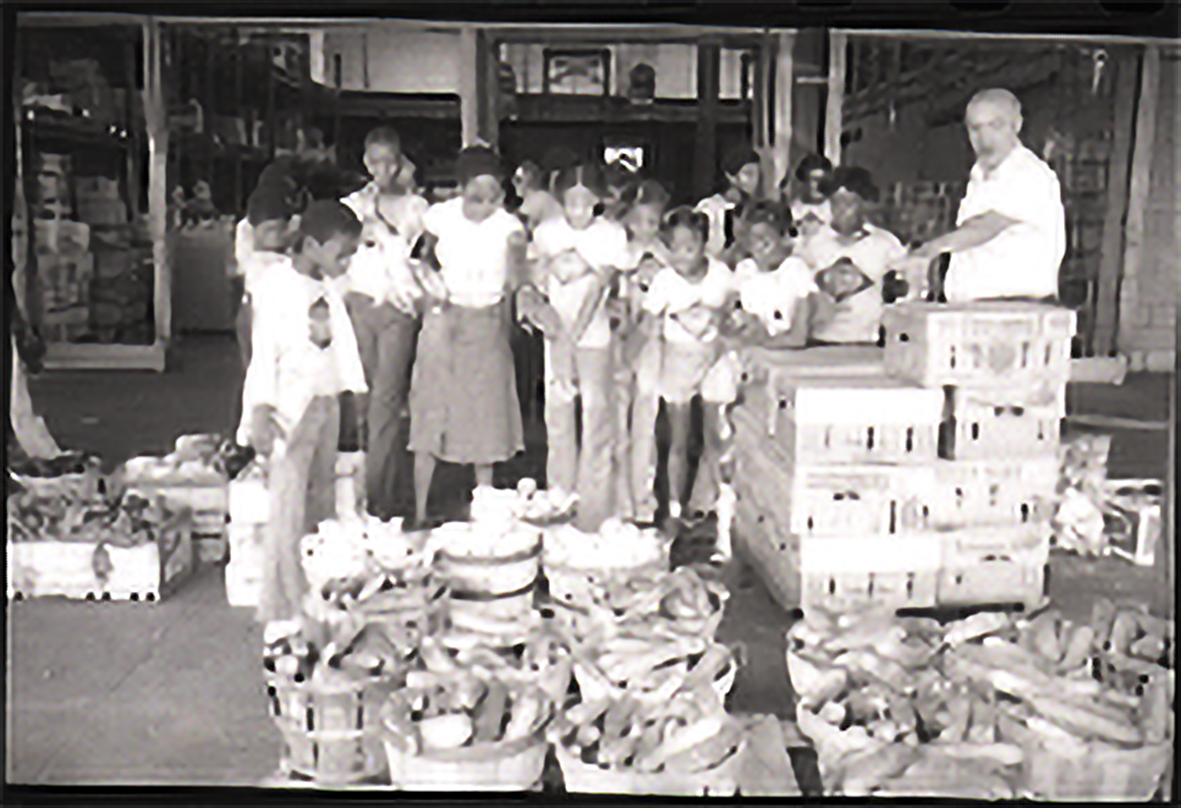
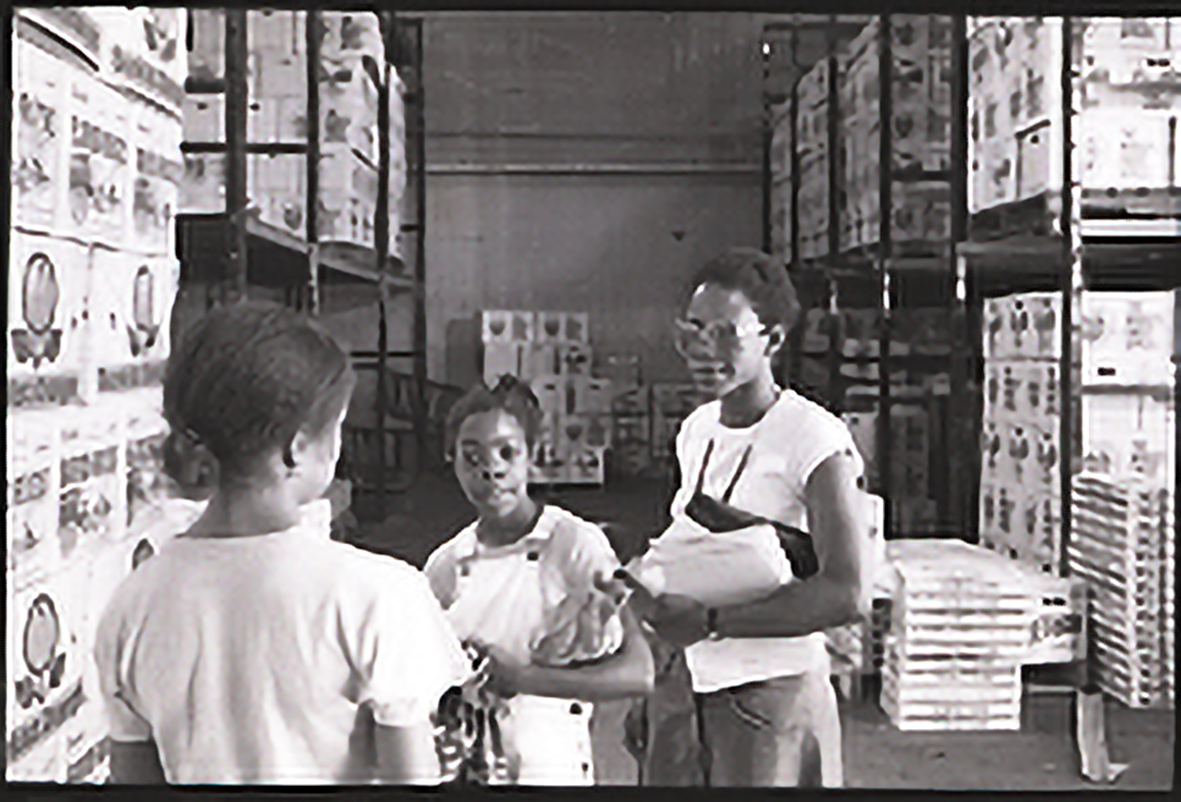
Fieldtrips
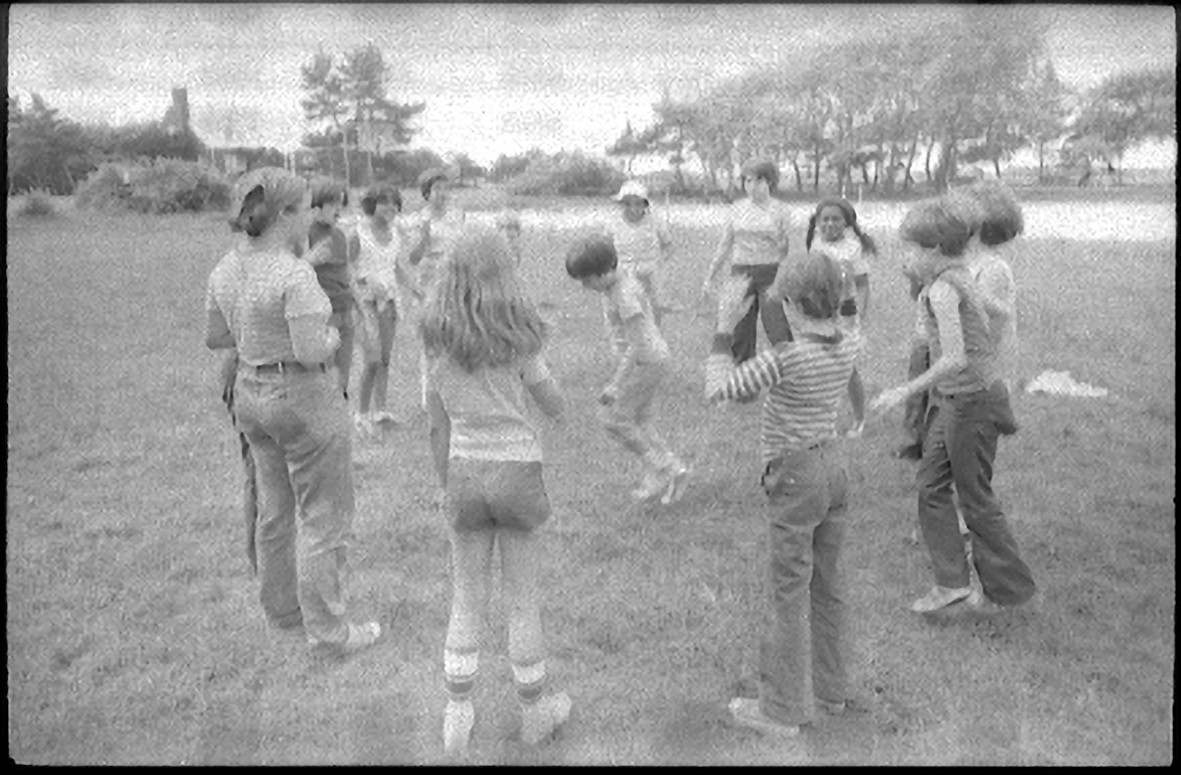
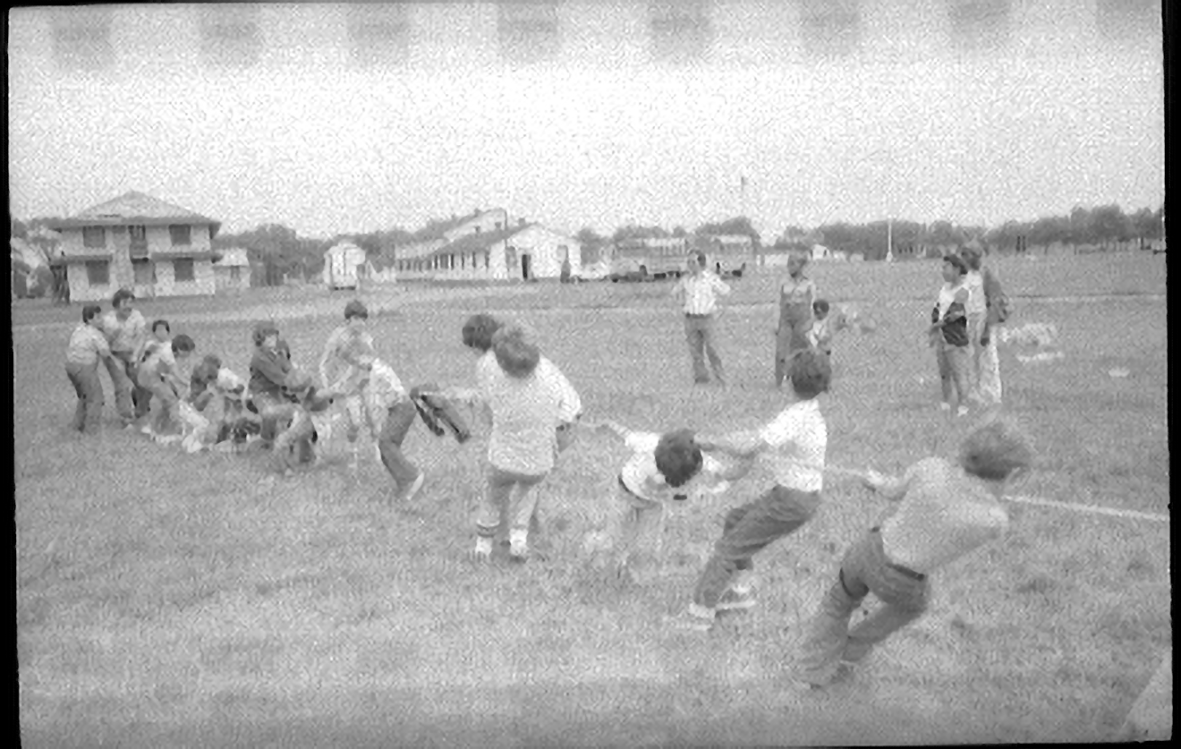
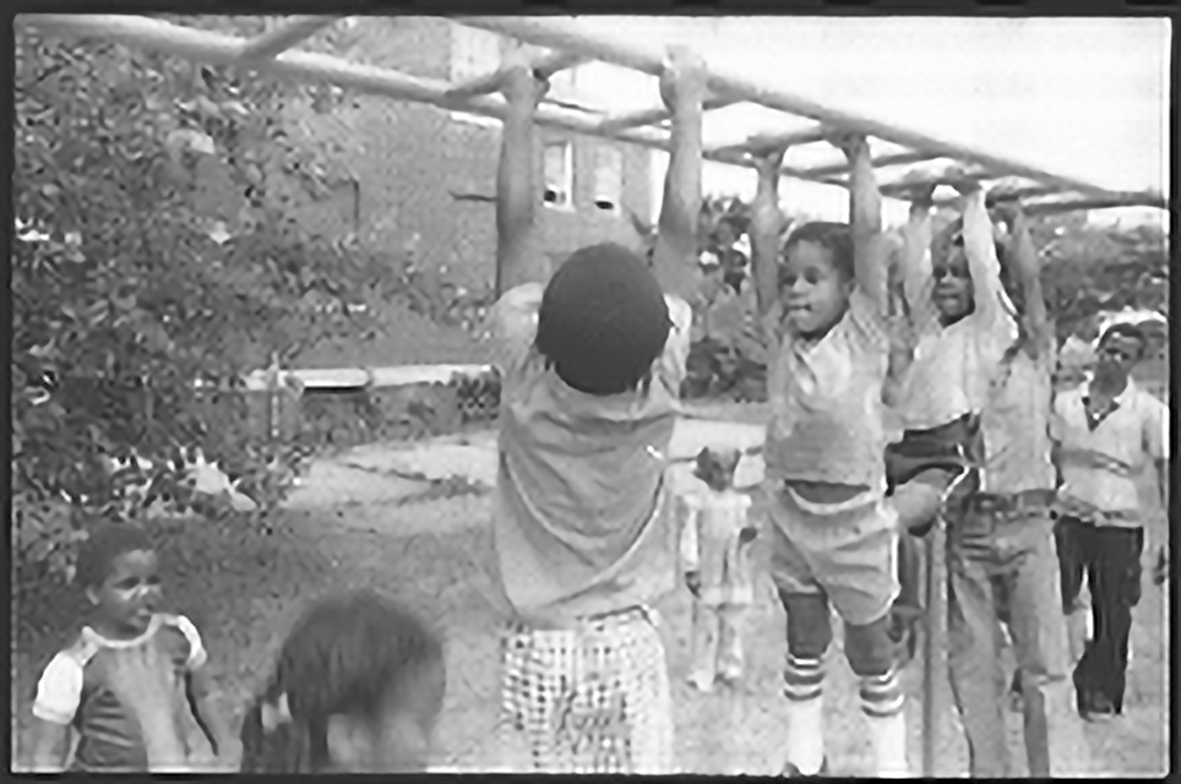
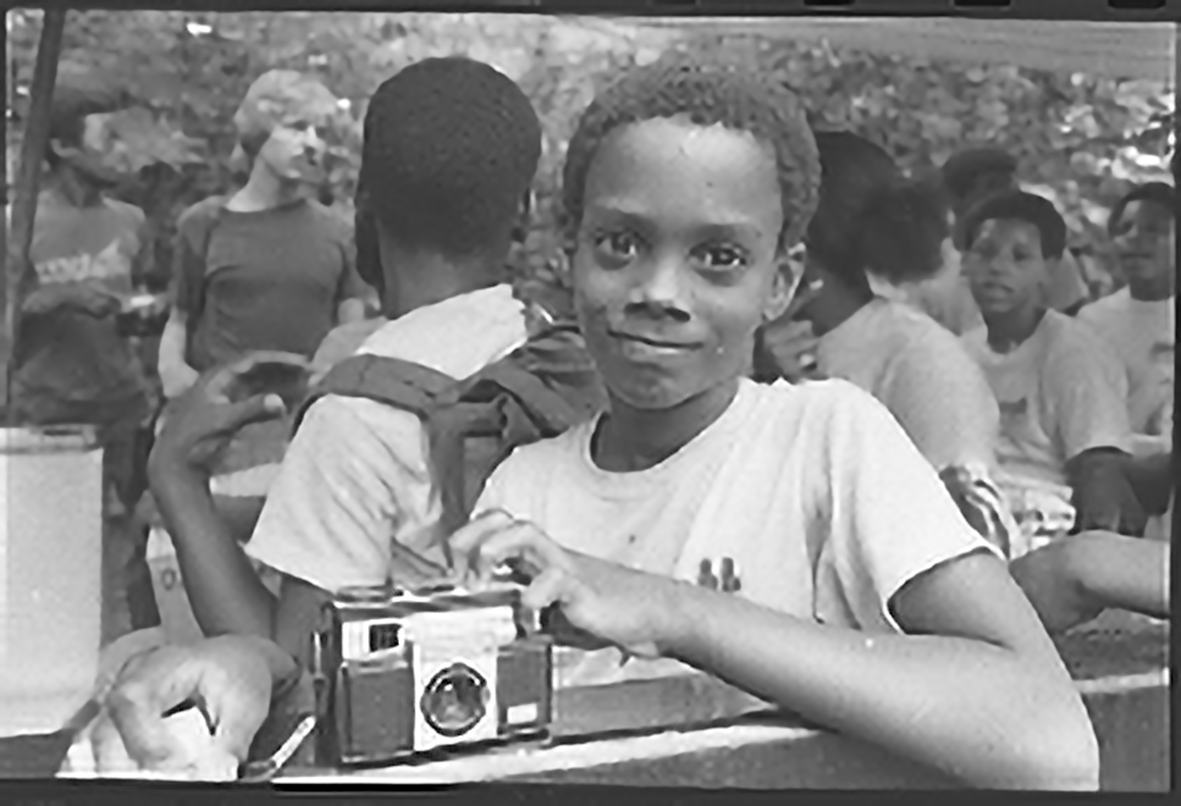
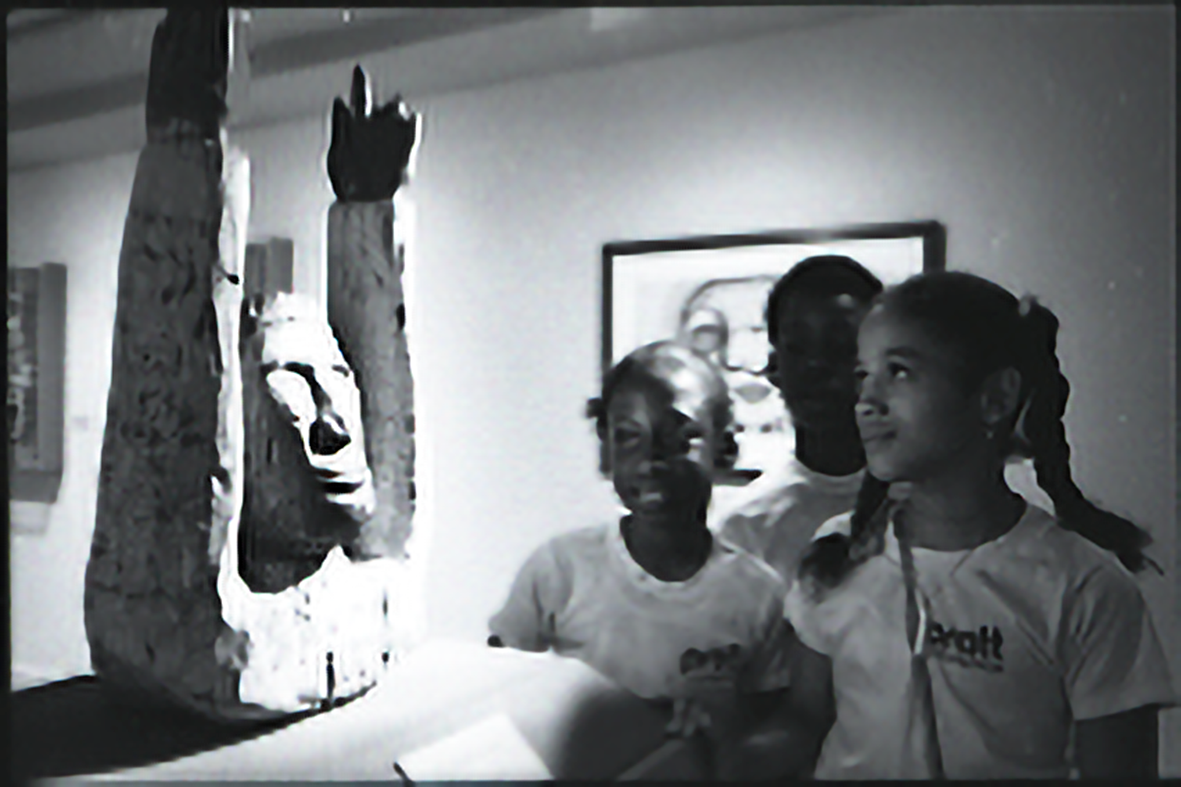
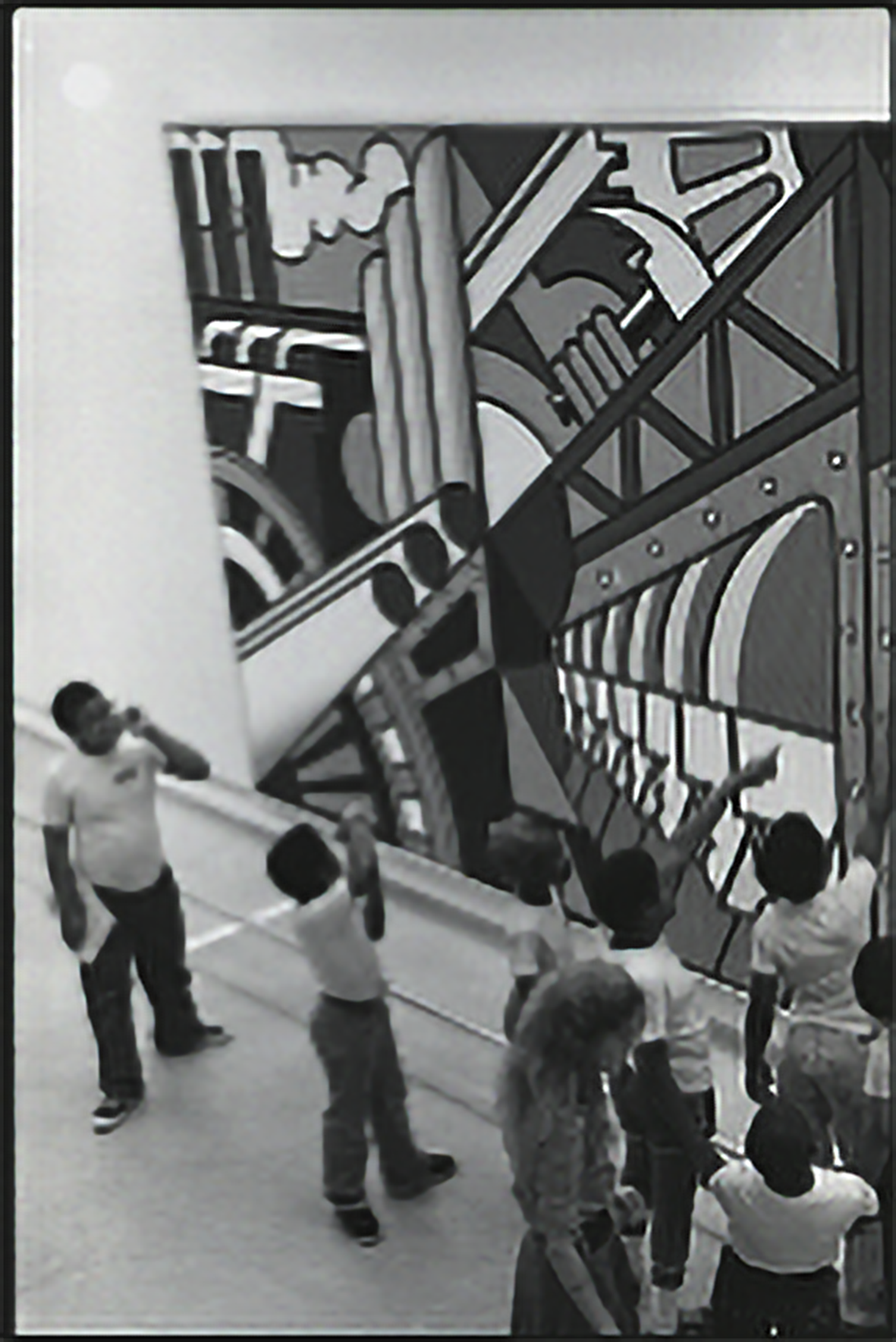
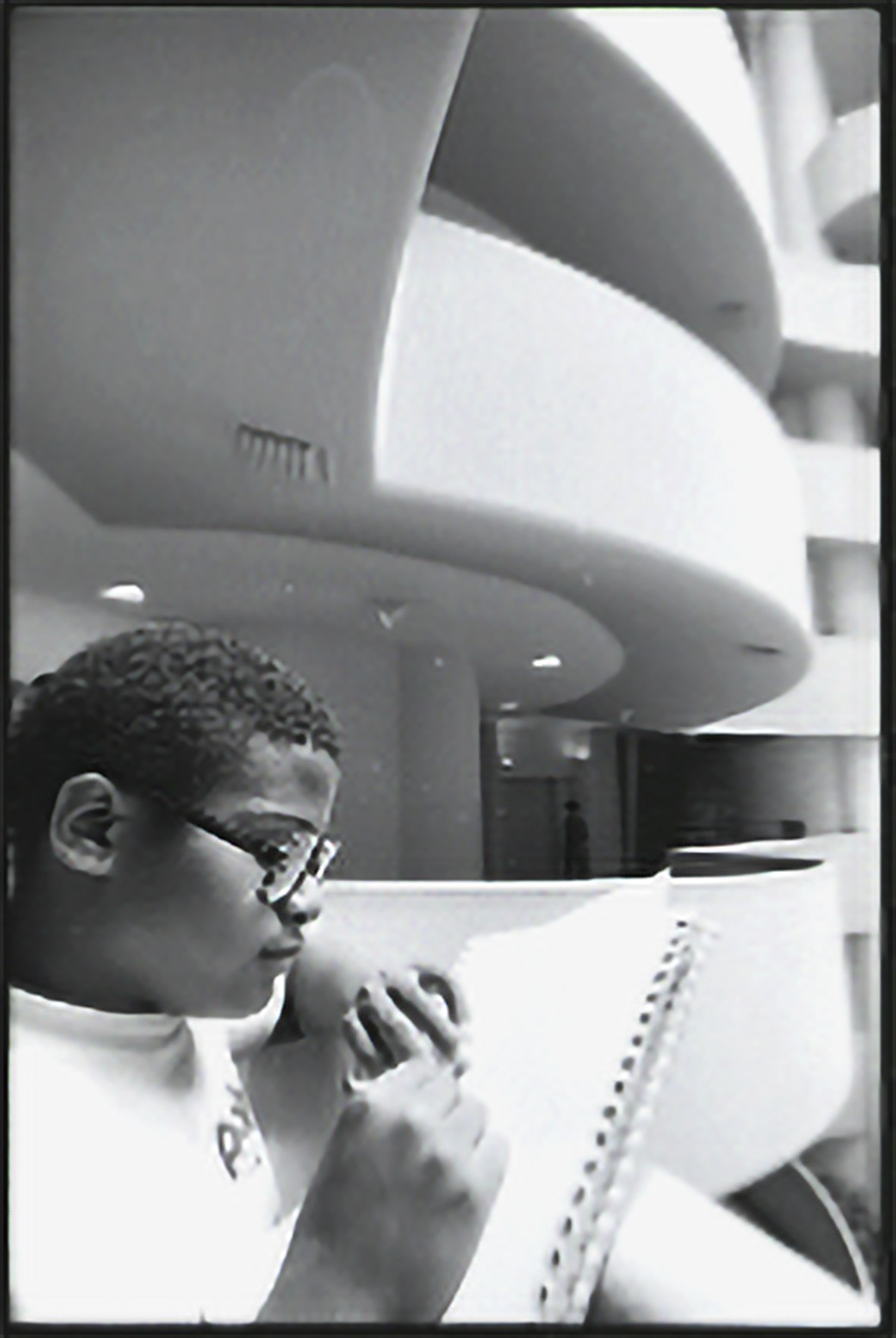
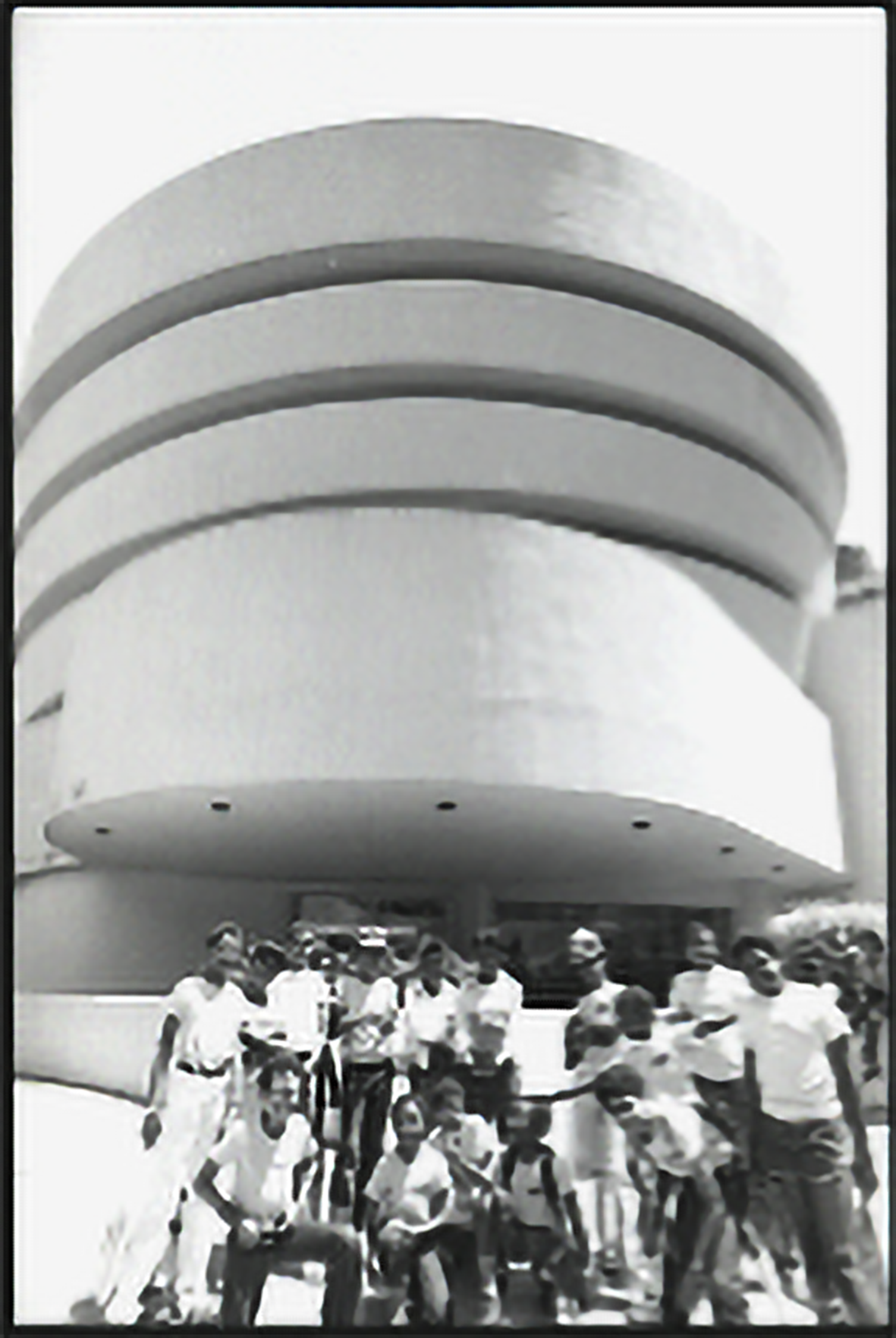
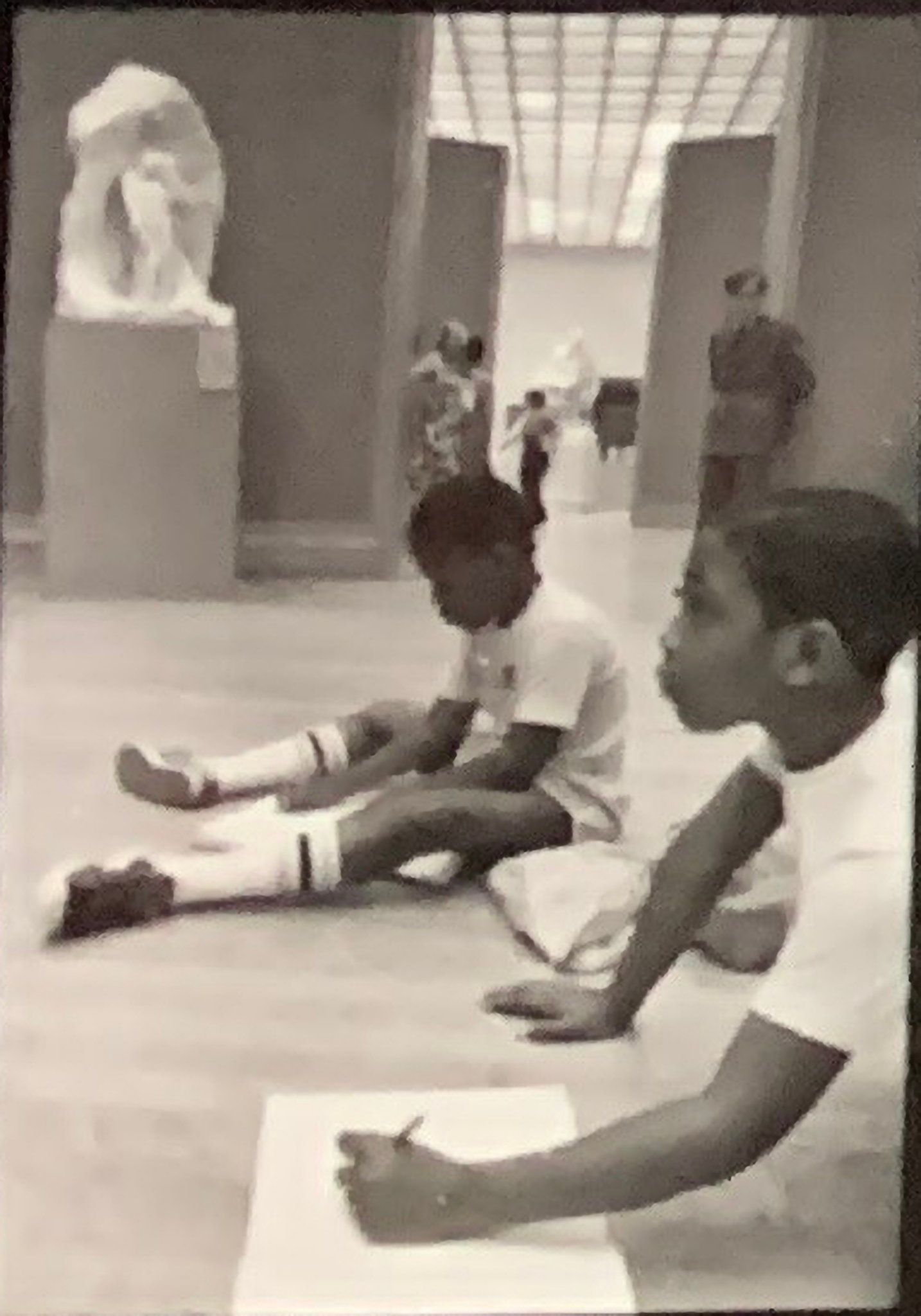
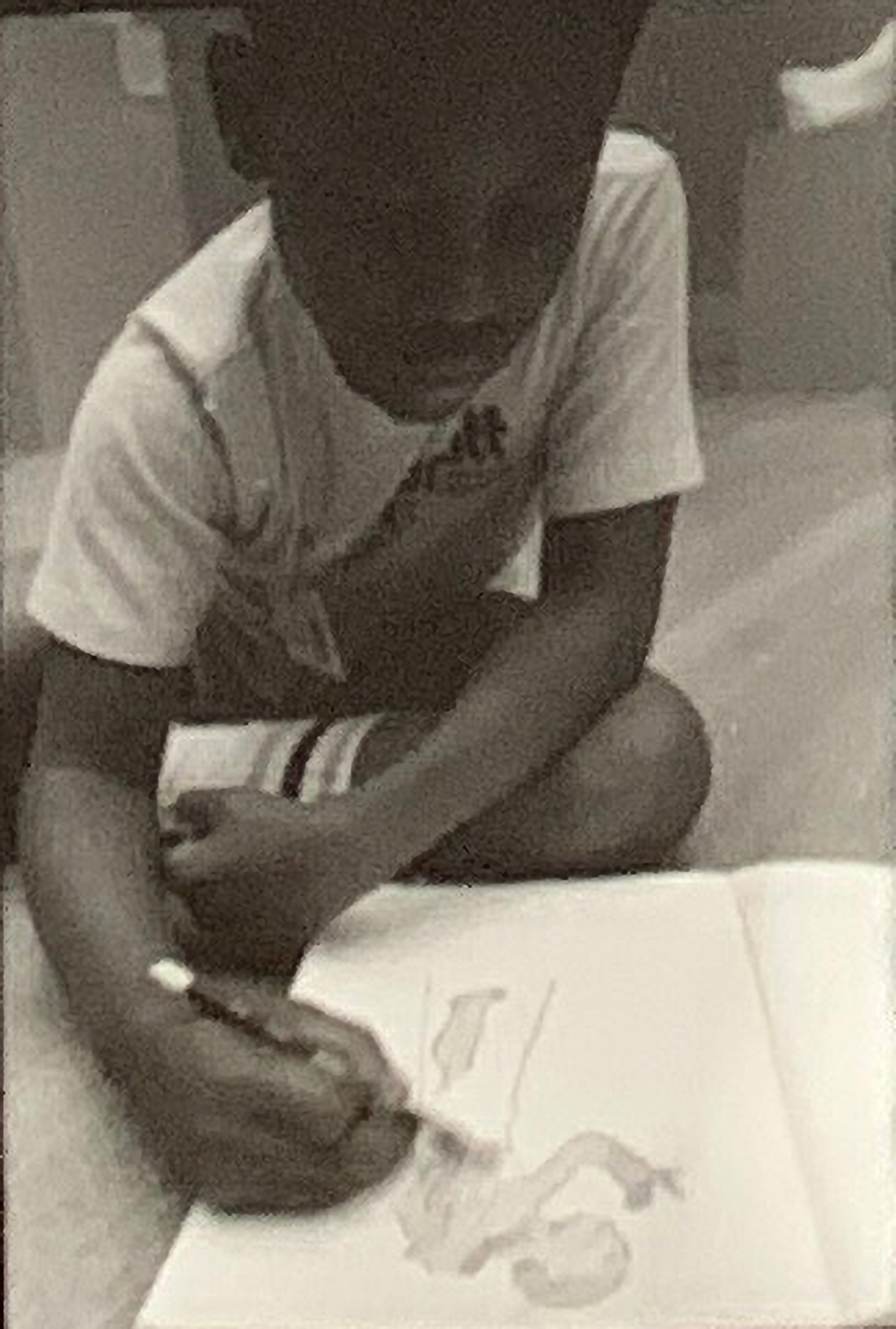
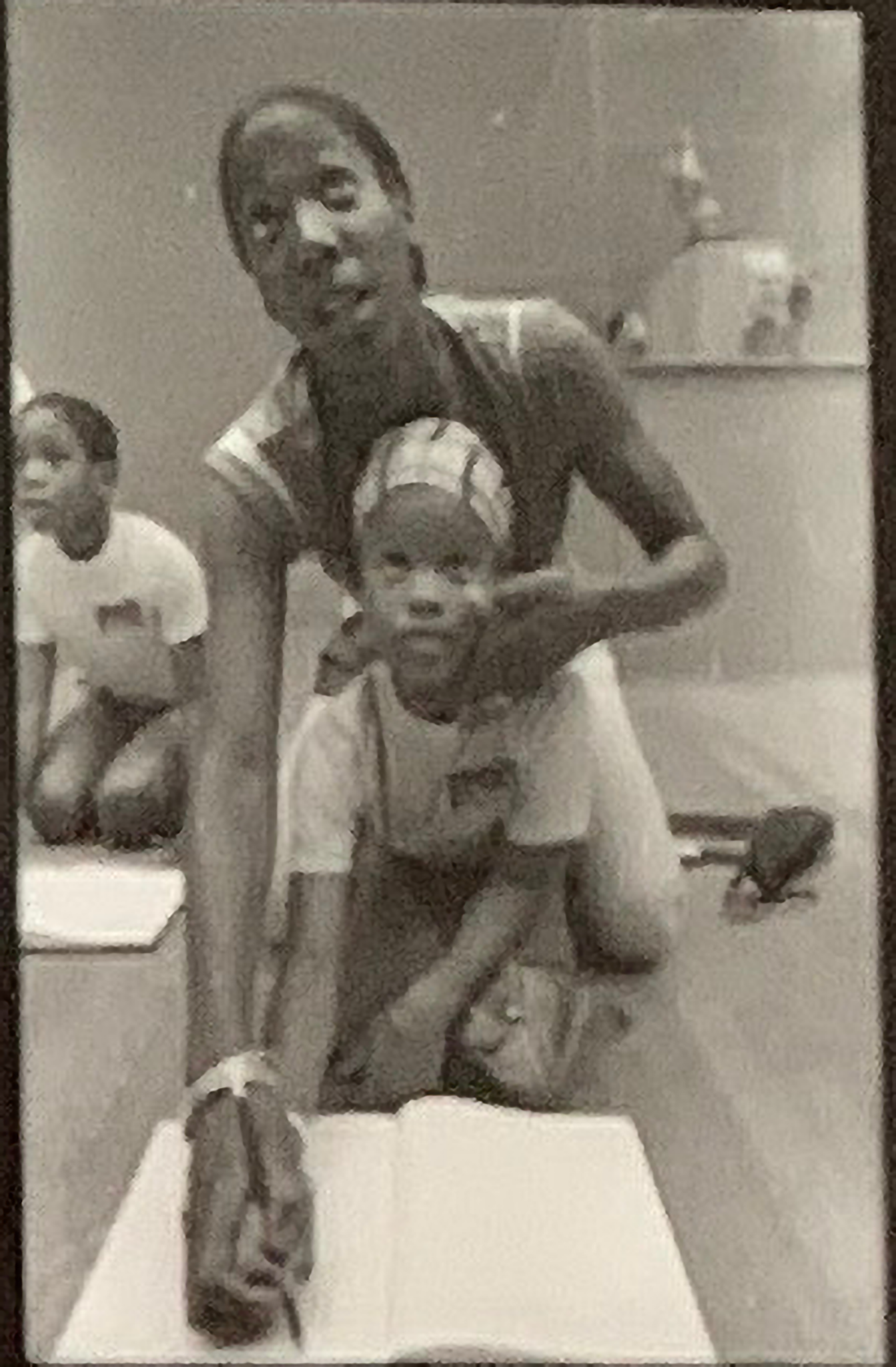
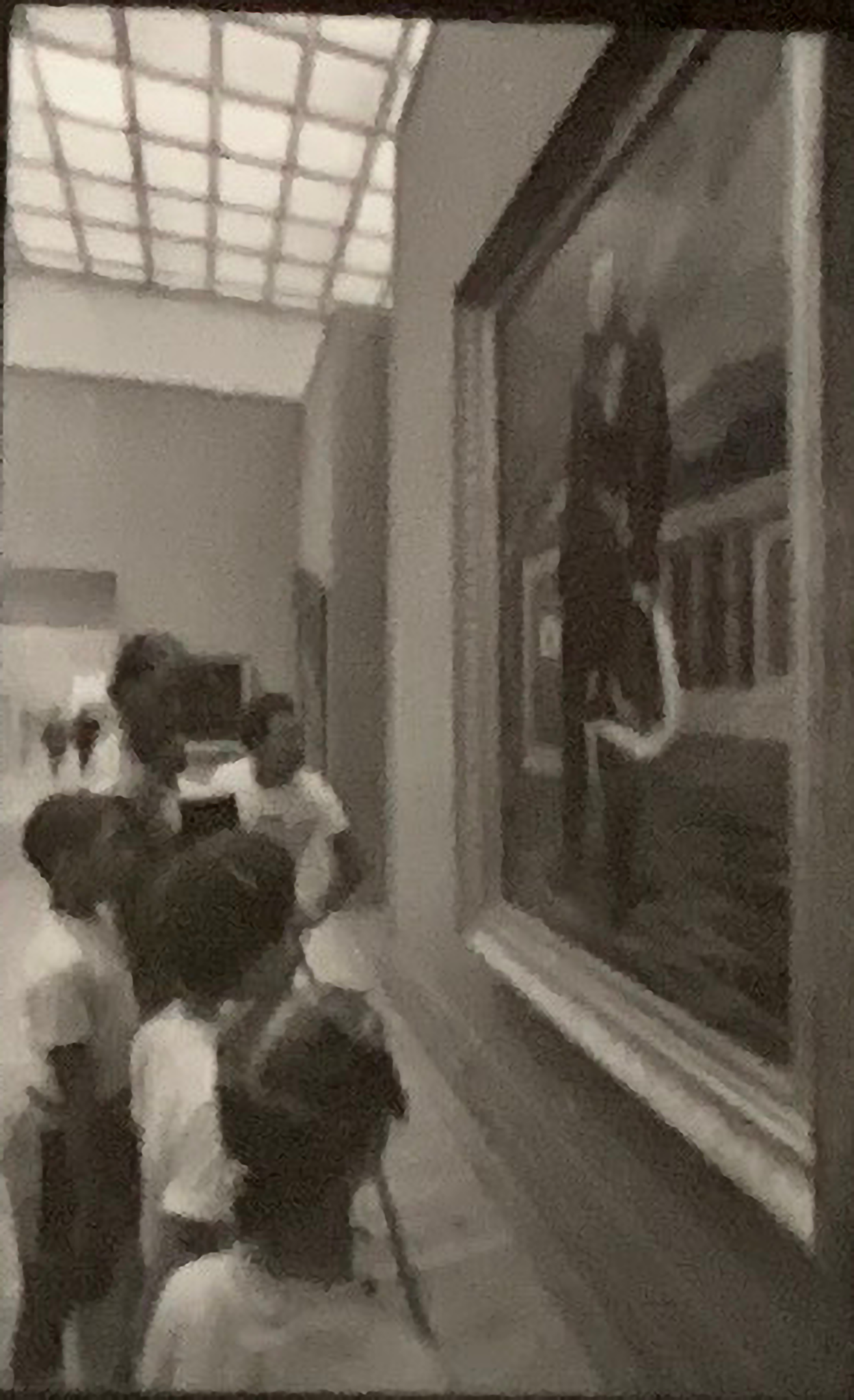
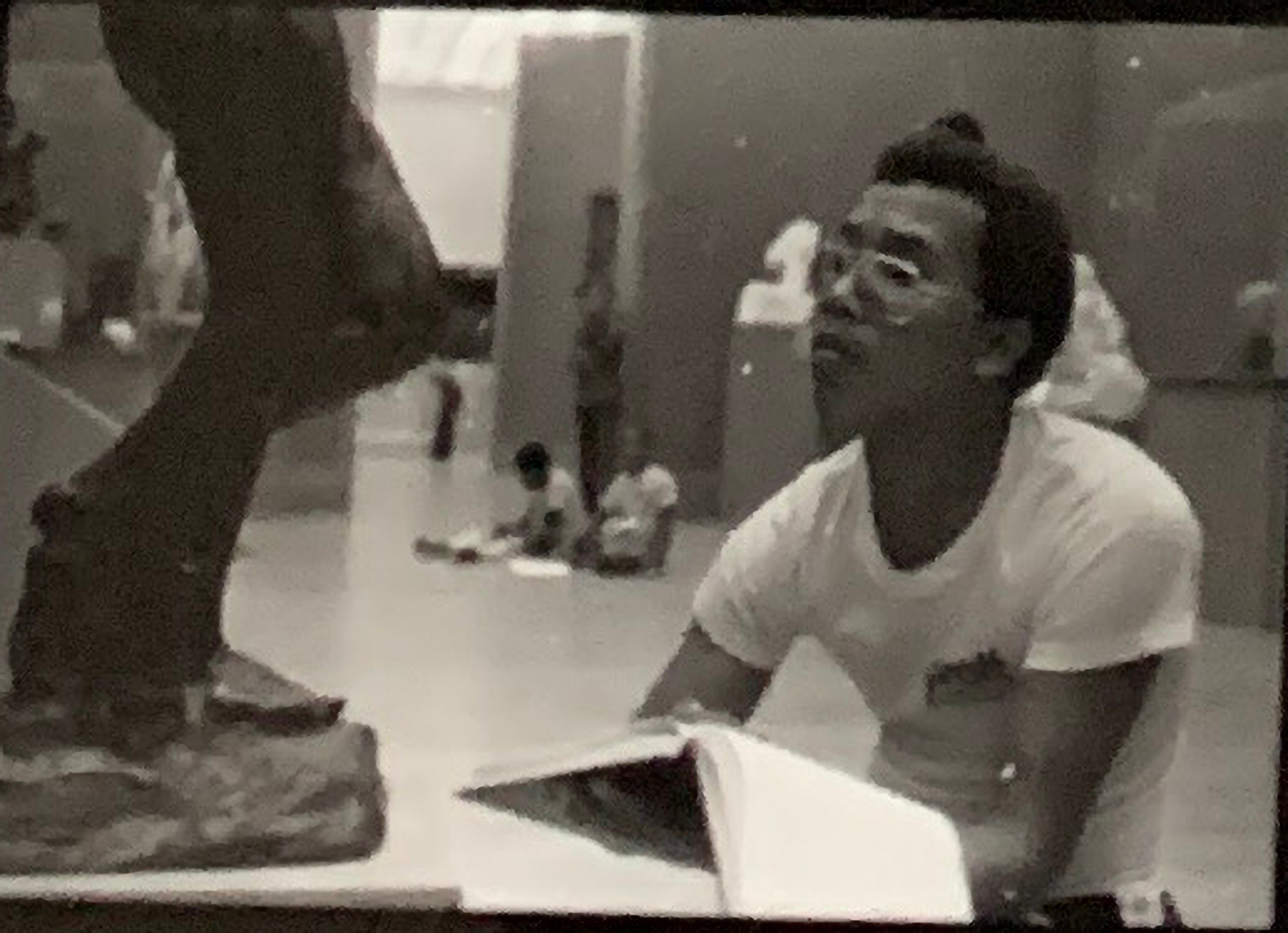
As part of the program, students went on fieldtrips to the Museum of Modern Art, The Guggenhiem, The Just Above Midtown Gallery(opened from 1974 until 1986), the Studio Museum of Harlem and many other museums. Students also visited zoos, botanical gardens, and nature sites.
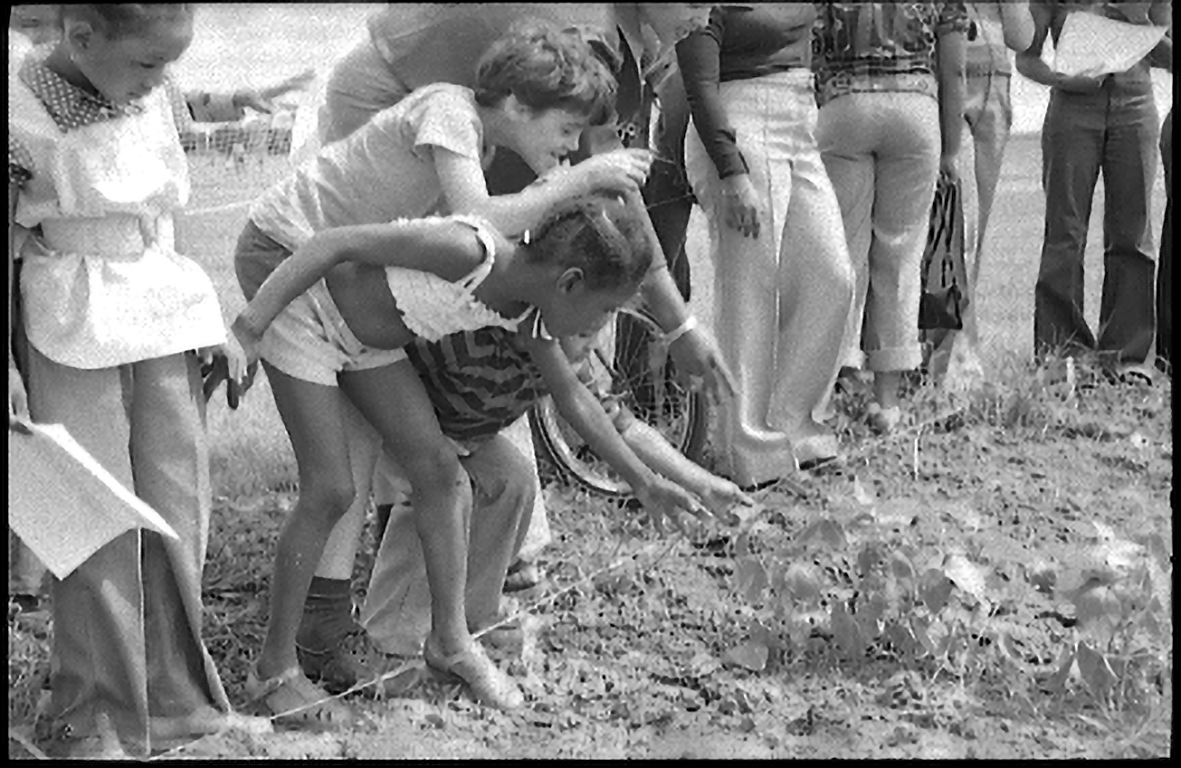
Parks, Gardens, and Zoos
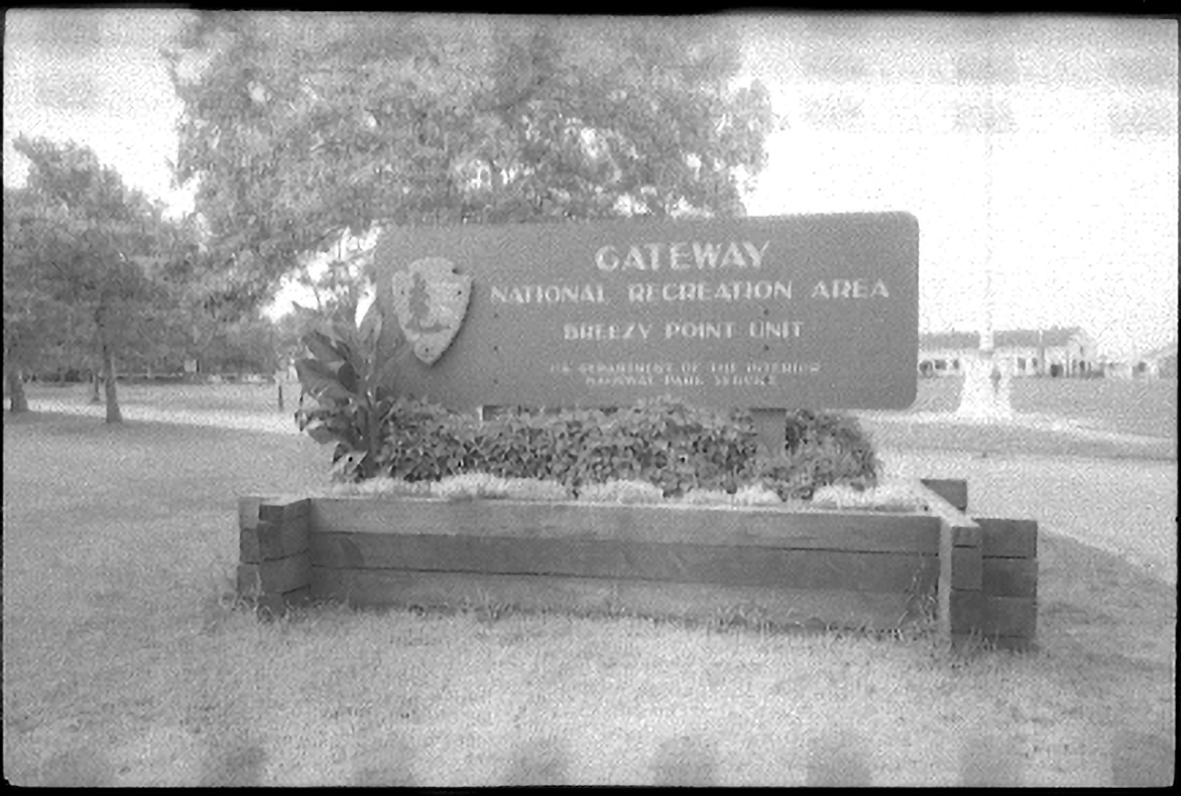
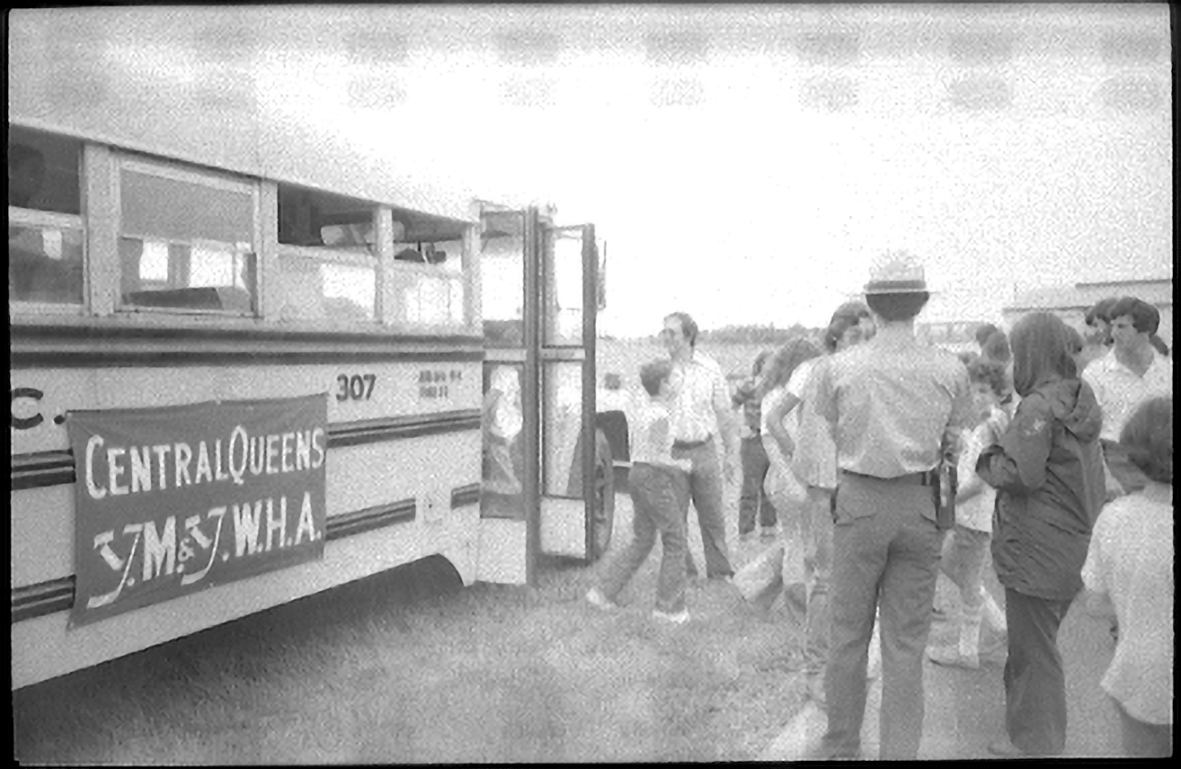
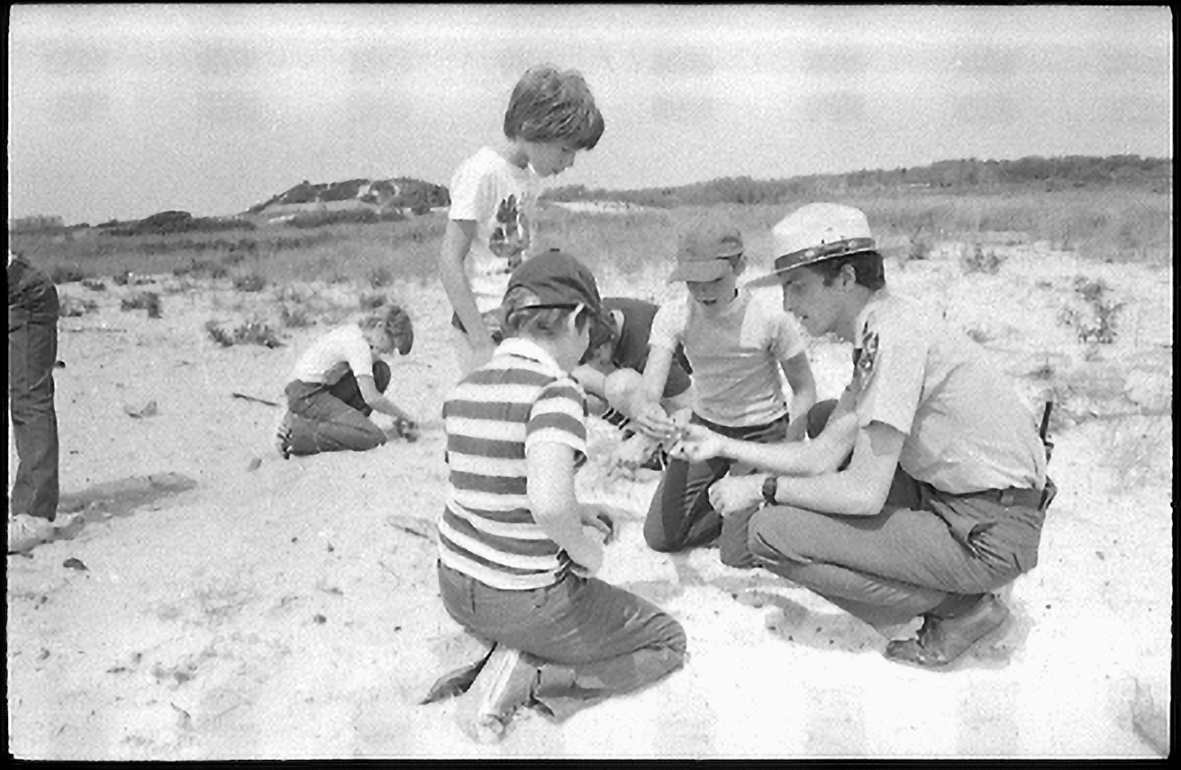
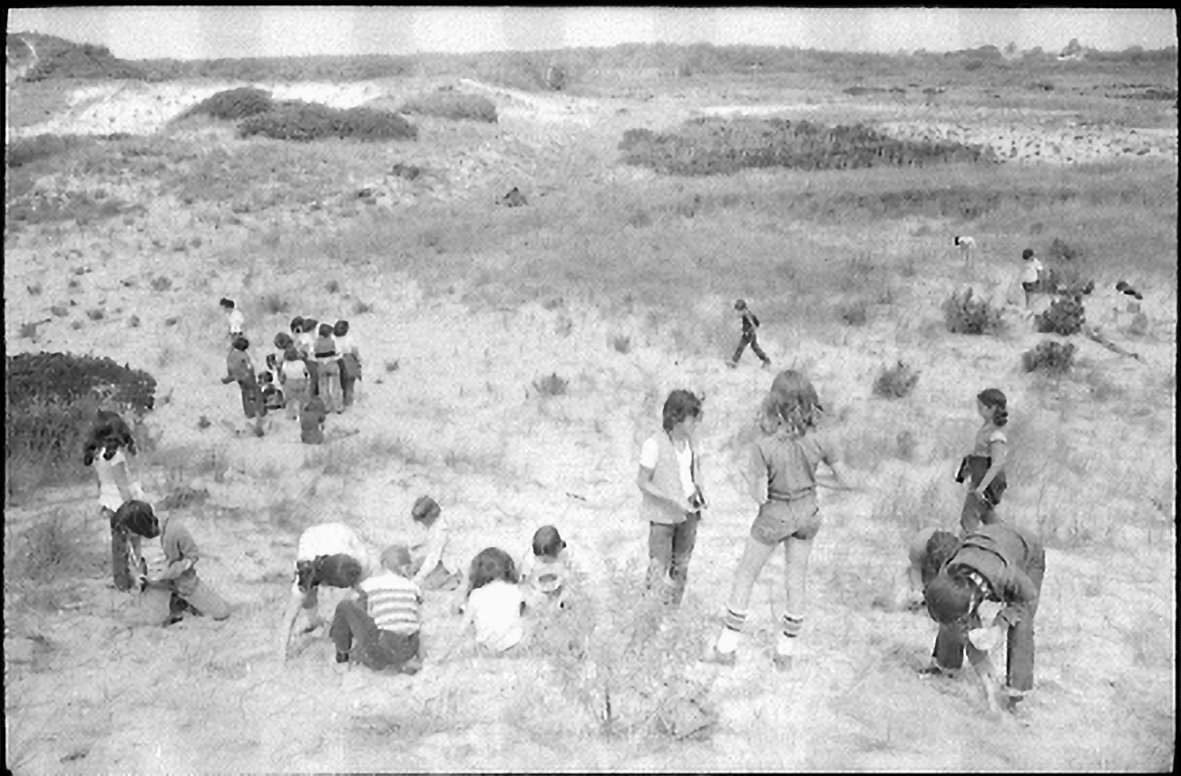
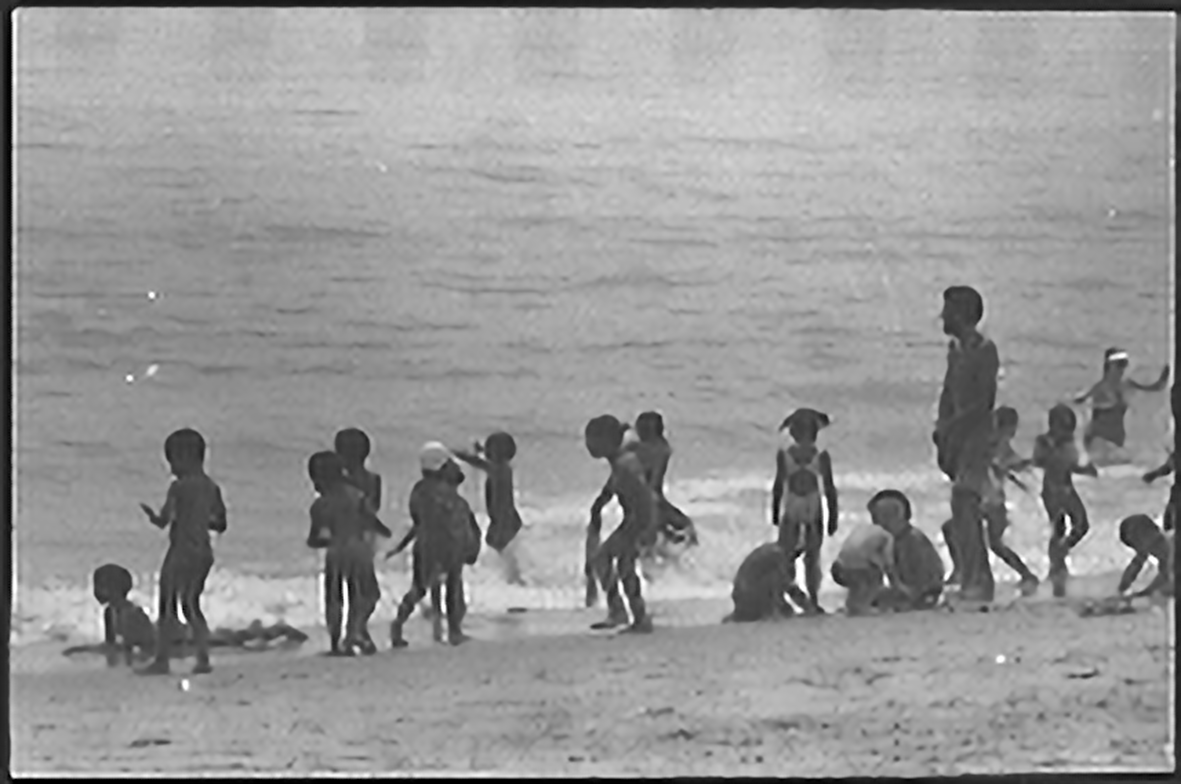
Gateway National Recreation Area
Gateway was created by the U.S. Congress in 1972. It provides recreational opportunities that are not commonly found in a dense urban environment, including ocean swimming, bird watching, boating, hiking and camping.

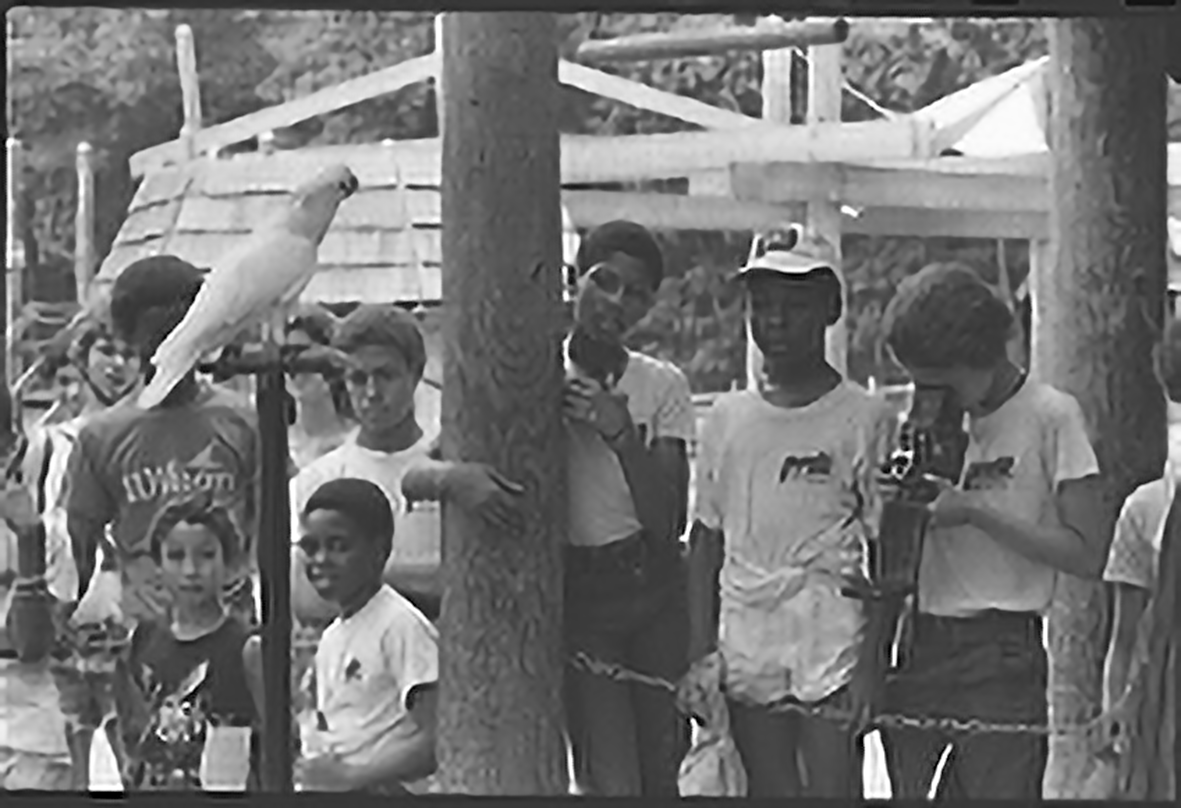
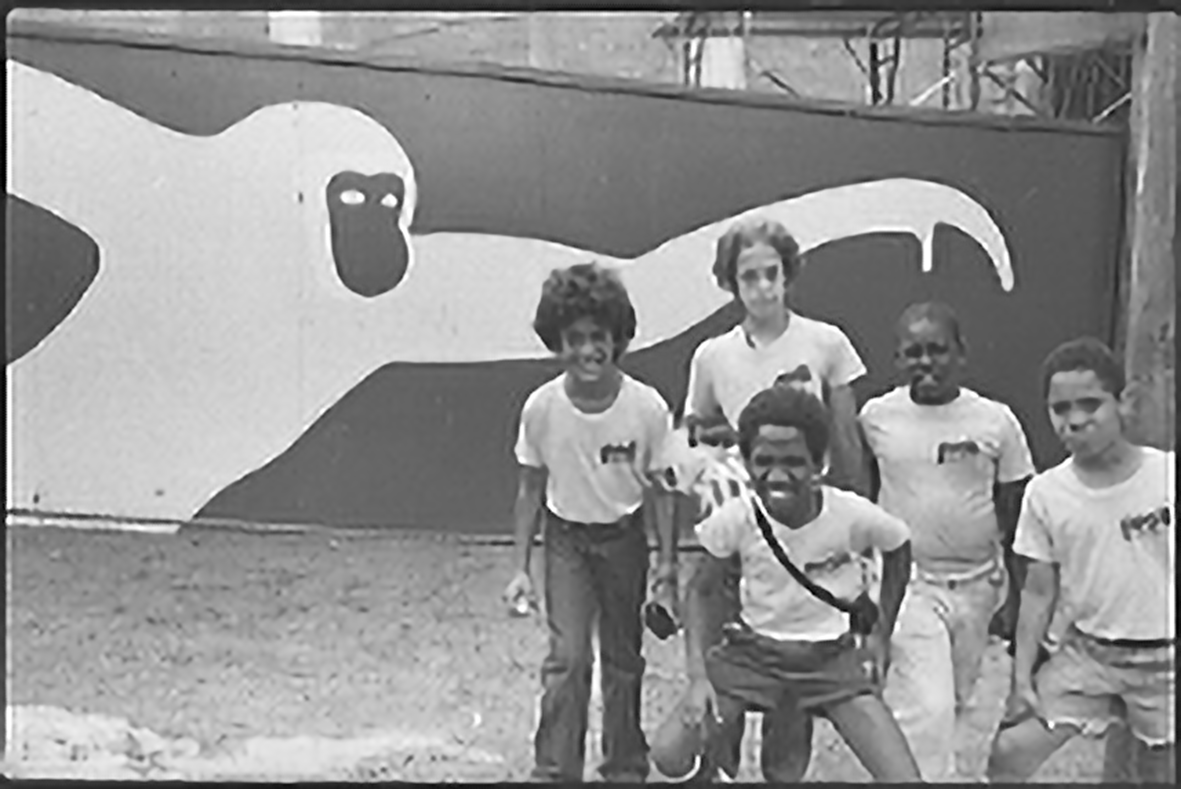
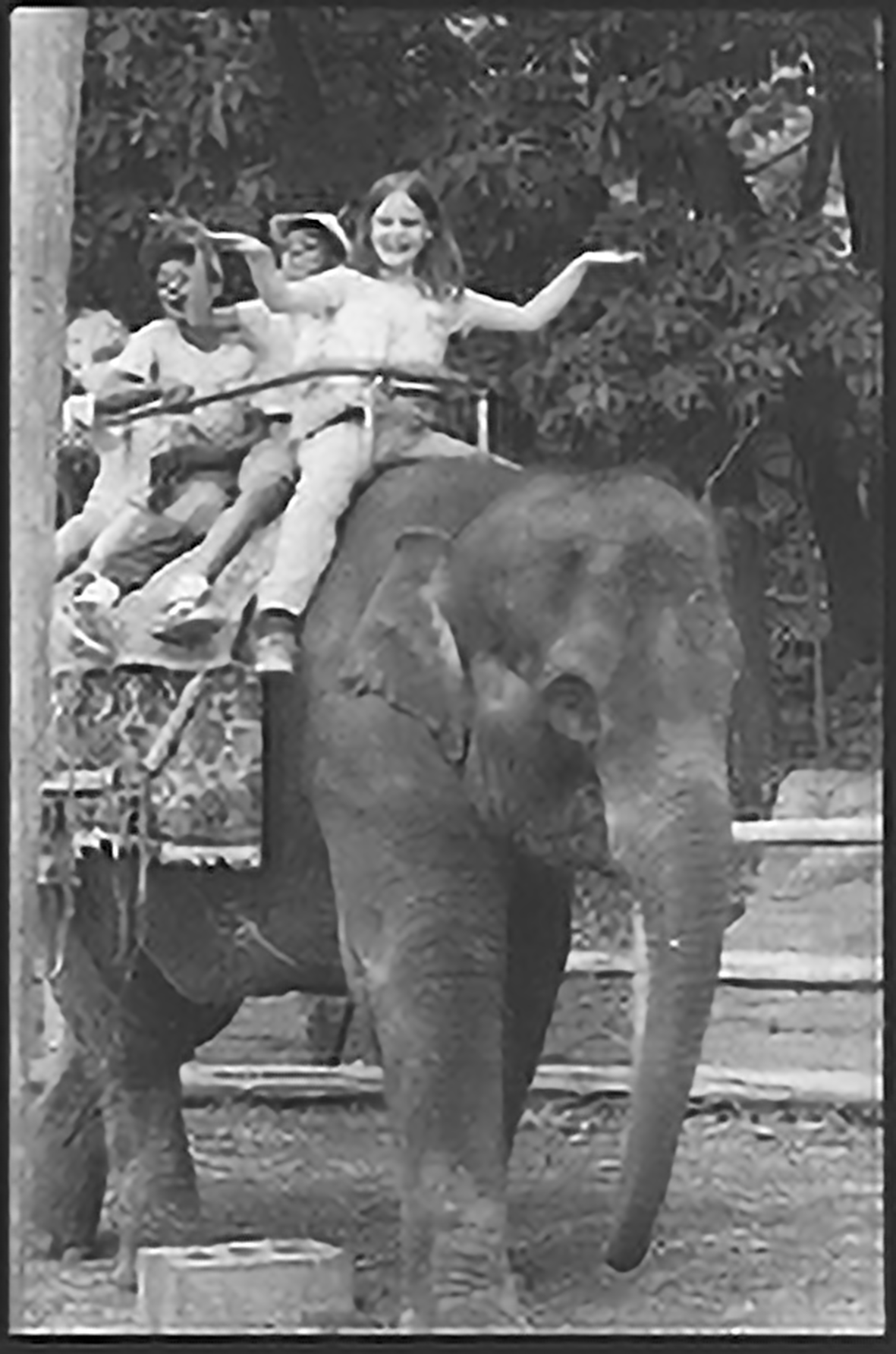
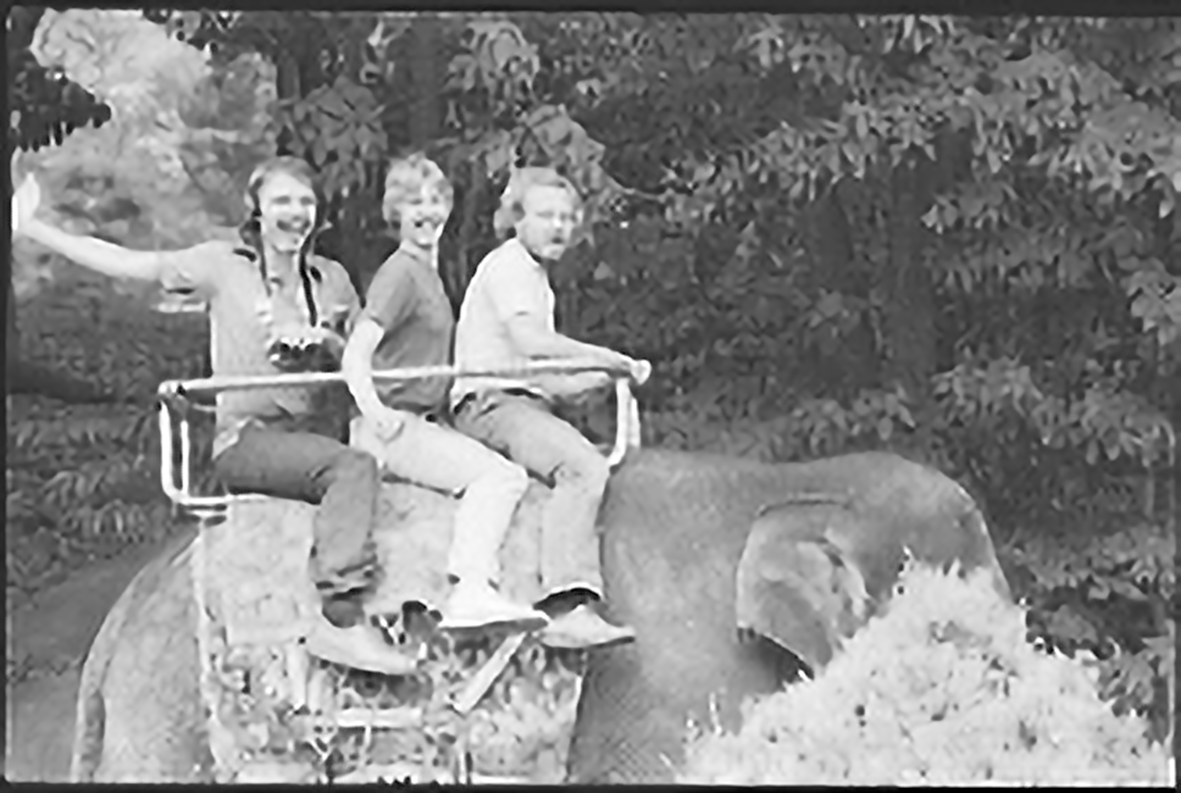
Bronx Zoo
Fieldtrips to Museums
The Just Above Midtown Gallery
“Just Above Midtown—or JAM—was an art gallery and self-described laboratory led by Linda Goode Bryant that foregrounded African American artists and artists of color. Open from 1974 until 1986, it was a place where black art flourished and debate was cultivated.”
Studio Museum in Harlem
“The Studio Museum in Harlem is the nexus for artists of African descent locally, nationally, and internationally and for work that has been inspired and influenced by Black culture. It is a site for the dynamic exchange of ideas about art and society.”
The Guggenheim Museum
“Committed to innovation, the Solomon R. Guggenheim Foundation collects, preserves, and interprets modern and contemporary art, and explores ideas across cultures through dynamic curatorial and educational initiatives and collaborations.”
The Metropolitan Museum of Art
“The Metropolitan Museum of Art was founded in 1870. It presents over 5,000 years of art from around the world for everyone to experience and enjoy.”
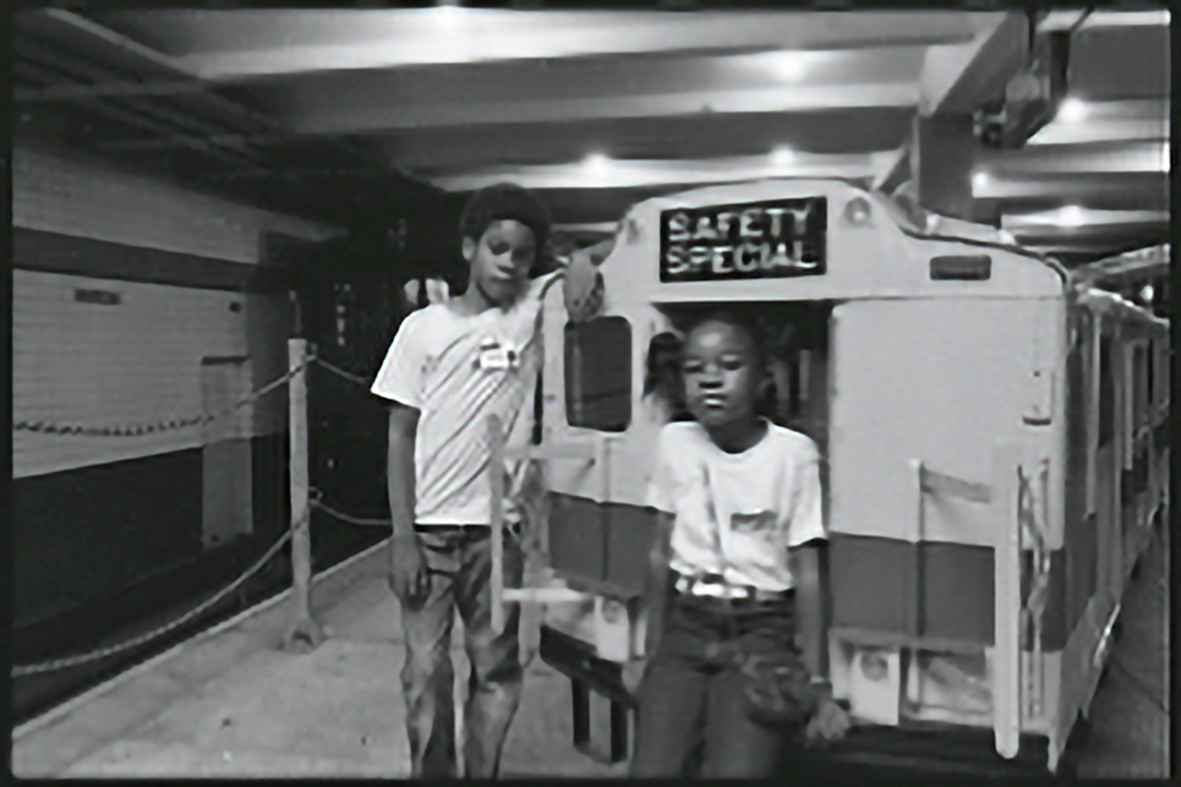
The New York Transit Museum
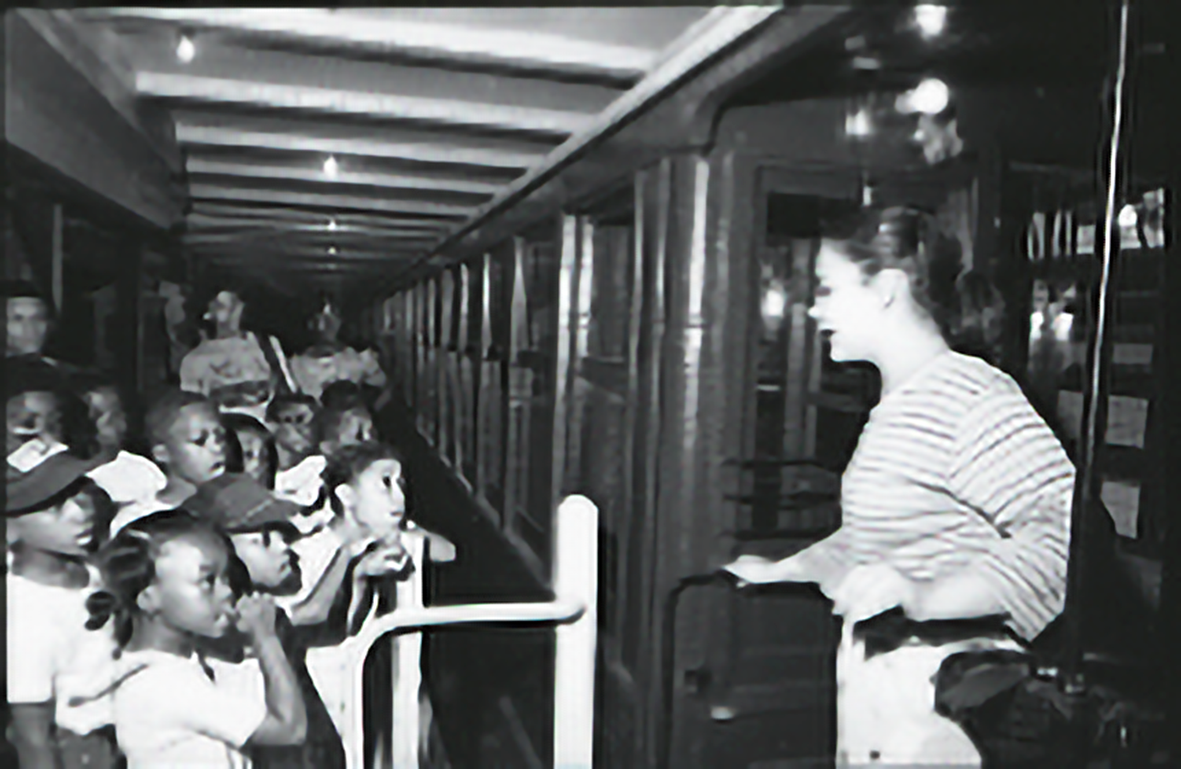
“The New York Transit Museum is a museum that displays historical artifacts of the New York City Subway, bus, and commuter rail systems in the greater New York City metropolitan region.”
 Preserving Activism